FocusHerb Knowledge Center
Industry Insights & Articles
Technical guides, quality inspection standards, and regulatory trends in botanical extracts and nutraceuticals.

Research & Innovation
Plant Extract Application Guides
In-depth research on medicinal mushrooms, bioactive peptides, and custom dosage formulations.

Global Market Trends
Nutraceutical Ingredients Analysis
Expert perspectives on market demand, organic certifications, and bulk purchasing strategies.
Blog

What Are the Top Liposomal Ingredients to Source?
Choosing the right liposomal ingredients begins with more than comparing prices or reading attractive product claims. Buyers must examine phospholipid quality, active-ingredient identity, purity, stability, and supplier consistency. These details influence how a finished liposomal formula performs during production and storage.
A practical sourcing review should begin with the phospholipid base. Sunflower and soy lecithin may offer different allergen, sustainability, and regulatory considerations. Hydrogenated phospholipids can improve stability, while non-hydrogenated options may support different formulation goals. The best choice depends on the active compound, dosage form, and intended market.
Look closely at the evidence.
Request a current certificate of analysis, specification sheet, allergen statement, and contaminant testing. Confirm phospholipid concentration, oxidation markers, moisture, microbial limits, and heavy-metal results. For sensitive compounds, ask how light, oxygen, and temperature are controlled during manufacturing and transport. A supplier should also explain particle-size testing and encapsulation-efficiency methods.
Liposomal Ingredients require technical judgment, not only a polished brochure. Independent testing can verify identity and batch consistency. Supplier audits, traceability records, and documented quality systems add valuable confidence. However, no shortlist is perfect. Some suppliers provide impressive data but limited long-term stability evidence. Others offer reliable testing but less flexible minimum order quantities.
Experience matters here. Small pilot batches can reveal mixing problems, sedimentation, unusual odors, or poor dispersion before a large purchase. Compare samples under realistic storage conditions, including warm warehouse temperatures and repeated handling. The most dependable ingredient is rarely the cheapest option. It is the one supported by transparent data, repeatable quality, and a clear path from raw material to finished product.
Read more »
 By:Liam
- October 28, 2026
10 Tips for Buying Dehydrated Onion Powder?
Buying Dehydrated Onion Powder may seem simple, but quality can vary widely between suppliers. Color, aroma, moisture, texture, and processing methods all affect the final result.
A reliable purchase begins with a clear purpose. Are you seasoning snacks, producing sauces, or preparing dry soup mixes? Each application may require a different mesh size, flavor strength, and moisture level. Check the ingredient statement carefully. Pure onion powder should not contain unnecessary fillers, undeclared additives, or artificial coloring. Ask for a current specification sheet and certificate of analysis. Microbiological results, allergen information, country of origin, and shelf-life details also deserve attention.
The package tells part of the story. Look for sealed, food-grade packaging with a readable lot number and production date. A strong onion aroma should be noticeable when the package opens, but it should not smell sour, burnt, or stale. The powder should flow easily, without damp clumps. Small tests matter.
Do not judge only by price. That mistake is easy. A cheaper product may have weaker flavor, inconsistent particle size, or higher moisture. Request a sample before placing a large order, then test it in your real recipe. Compare the cooked flavor, color, solubility, and storage behavior. Even experienced buyers can overlook one detail. Supplier communication matters, too. A dependable supplier answers specific questions, provides traceable documents, and explains quality controls clearly. These ten practical tips will help you choose Dehydrated Onion Powder with greater confidence and fewer costly surprises.
Read more »
 By:Aria
- October 23, 2026
How to Choose Antarctic Krill Oil Suppliers?
Choosing reliable Antarctic Krill Oil suppliers requires more than comparing prices or reading polished product pages. Buyers must examine sourcing records, processing controls, testing methods, and communication standards. A dependable supplier should explain where the krill was harvested, how the oil was extracted, and how each batch is identified. Clear answers matter.
Look for documented traceability from harvest vessel to finished bottle. Request recent certificates of analysis covering phospholipids, omega-3 content, oxidation values, heavy metals, and microbiological safety. Independent laboratory testing can provide stronger evidence than an internal statement alone. Certifications may support credibility, but they should be verified with the issuing organization. Experience also matters. Suppliers familiar with marine oils can discuss storage temperatures, oxygen exposure, packaging barriers, and shelf-life testing in practical detail.
Sustainability deserves equal attention. Responsible suppliers should describe their fishery management, harvesting limits, and relevant certification status without using vague environmental claims. Antarctic ecosystems are sensitive, so purchasing decisions should consider both product quality and ecological responsibility. No checklist is perfect. Some documents may be current but incomplete, while an attractive website may hide weak quality systems. A careful buyer should compare evidence, ask precise questions, and record unanswered concerns. This approach cannot remove every risk, but it can reduce avoidable mistakes. The strongest supplier is not always the cheapest. It is the one that consistently provides verifiable information, stable quality, and professional support after the purchase.
Read more »
By:Liam
- October 18, 2026

How to Choose a Reliable Nattokinase Extract Supplier?
Choosing a reliable Nattokinase Extract supplier requires more than comparing prices or reading polished website claims. Quality begins with traceable sourcing, consistent manufacturing, and clear documentation. A dependable supplier should identify the raw material origin, extraction method, enzyme activity, and storage conditions. These details matter when a product must remain stable from production to delivery.
Look for current certificates of analysis, batch numbers, microbial testing, heavy metal screening, and identity verification. Independent laboratory results can add confidence, especially when they match the specific lot being purchased. Manufacturing facilities should follow recognized quality systems, such as GMP principles, with documented sanitation and process controls. Ask how the supplier handles temperature, humidity, packaging, and transport. A warm warehouse or poorly sealed container may affect product quality.
Communication also reveals practical experience. Reliable suppliers answer technical questions directly and provide evidence without excessive promises. They should explain testing limits, shelf-life data, and product specifications in language buyers can verify. A low price is not always a saving.
No supplier is flawless. Even experienced manufacturers may have limited data or slow responses. That deserves careful reflection. Request samples, review documentation, and compare several suppliers before making a decision. A trustworthy partner supports consistency, transparency, and responsible product development. The strongest choice is not merely the company with the largest catalog. It is the supplier that can repeatedly deliver verified Nattokinase Extract with clear records and honest communication.
Read more »
By:Liam
- October 13, 2026

10 Tips for Sourcing Nervonic Acid Powder Globally
Global demand for specialty lipids is becoming more technical, traceable, and quality-driven. Industry analyses from Grand View Research and MarketsandMarkets place nutraceuticals among the fastest-expanding segments in functional ingredients, supported by preventive health spending and personalized nutrition. These reports do not isolate Nervonic Acid Powder consistently, however. That limitation matters. Buyers should avoid treating broad market forecasts as direct evidence of nervonic acid demand.
Nervonic Acid Powder is commonly evaluated for its fatty-acid profile, source material, purity, stability, and intended application. A supplier’s polished website is not enough. Ask for a recent certificate of analysis, batch number, testing methods, allergen statement, and country of origin. The FAO and WHO food-safety framework emphasizes hazard control and reliable analytical practices, while Codex standards provide useful reference points for contaminants and labeling. In the United States, FDA current good manufacturing practice requirements can help buyers assess supplier controls, even when the ingredient is traded internationally. European purchasers should also review applicable EFSA expectations and local food-supplement rules.
A practical sourcing review should examine oxidation results, moisture exposure, packaging seals, and storage temperature. Imagine opening a 25-kilogram bag after a humid ocean shipment. A weak liner or unclear shelf-life record can quickly become an expensive problem. Independent laboratory confirmation is valuable, especially when specifications vary between suppliers. It costs more.
The following ten tips focus on supplier verification, documentation, logistics, pricing, and risk management. They are designed for real purchasing decisions, not brochure language. Conditions change across markets, and no single report replaces technical due diligence. That is the uncomfortable part. Reliable sourcing requires evidence at every stage.
Read more »
By:Aria
- October 8, 2026

Top 10 Wheat Germ Spermidine Suppliers Worldwide?
Choosing a reliable Wheat Germ Spermidine supplier requires more than comparing prices or reading polished product pages. This guide introduces ten worldwide suppliers for buyers evaluating quality, transparency, and manufacturing experience. Wheat germ is a natural source of spermidine, but its final concentration can vary with cultivation, extraction, drying, and storage conditions. Small details matter.
A dependable supplier should provide clear ingredient specifications, batch testing, certificates of analysis, and traceable sourcing records. Independent testing may confirm spermidine content, microbial limits, heavy metals, pesticides, and residual solvents. Good documentation does not prove everything, but missing documentation raises reasonable questions. Production standards also deserve close attention. Facilities following recognized quality systems, such as GMP principles, usually offer stronger process controls and cleaner records.
This overview considers supplier history, product consistency, technical support, packaging, minimum order quantities, and international communication. It also examines whether companies explain their testing methods instead of relying on broad wellness claims. Some rankings remain subjective. No supplier list is permanently correct, because factories change, certificates expire, and product formulas may be revised.
Readers should verify current documents directly with each company before placing an order. A sample can reveal practical issues, including powder color, odor, dispersibility, and labeling accuracy. However, sensory checks cannot replace laboratory analysis. The strongest choice depends on your intended use, target market, budget, and required compliance level. This guide offers a careful starting point, not a guarantee of performance or health benefits.
Read more »
By:Aria
- October 3, 2026
Why Do Buyers Choose Taxifolin Dihydroquercetin?
Why Do Buyers Choose Taxifolin Dihydroquercetin? The answer often begins with a practical need: a recognizable flavonoid, reliable product specifications, and evidence buyers can review. Taxifolin Dihydroquercetin is a plant-derived compound found in sources such as Siberian larch. Buyers may evaluate it for antioxidant-related research or as an ingredient for product development, but its suitability depends on the intended use and supporting evidence. It is not a shortcut to a health outcome. That distinction matters.
Market growth provides useful context, though not proof of demand for this ingredient specifically. Grand View Research’s Dietary Supplements Market Size, Share & Trends Analysis Report estimated the global market at USD 177.5 billion in 2023 and projected a 9.1% compound annual growth rate from 2024 to 2030. Those figures describe a broad category, not taxifolin sales. Still, they help explain why ingredient buyers scrutinize sourcing, assay results, batch consistency, and documentation. A clear certificate of analysis, defined purity specifications, and traceable origin can make a supplier easier to assess. Buyers may also ask about solubility, stability, and formulation compatibility before committing to a purchase. Small details count. A polished brochure is not enough; independent testing and transparent methods matter more. Evidence quality varies, and commercial claims can sometimes outrun published research. That is worth questioning. A careful buyer compares the supplier’s data with the intended application, rather than assuming every product or claim is equivalent.
Read more »
By:Liam
- September 28, 2026
Top 10 Beef Spleen Peptide Types for Global Buyers
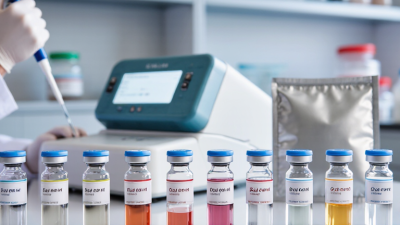
Global buyers need more than a long ingredient list when evaluating beef-derived peptide products. This guide introduces ten Beef Spleen Peptide types discussed in sourcing, nutrition, and research-oriented markets. Each type may differ in hydrolysis degree, molecular-weight profile, solubility, flavor, and intended application. These details influence factory handling, not just label wording. Small differences matter.
The selection approach reflects practical purchasing experience and technical review. It considers raw-material traceability, enzymatic processing, batch consistency, documentation, and supplier communication. Buyers should request a certificate of analysis, specification sheet, allergen statement, microbiological results, and evidence of quality-system controls. Country-specific rules also matter. A product accepted in one market may need different labeling or testing elsewhere. No single peptide type suits every buyer. That is easy to forget.
This overview does not treat traditional use as clinical proof. It separates measurable product characteristics from promotional language and encourages independent verification before contracting. Readers can compare peptide profiles, carriers, packaging, shelf-life data, and storage conditions with greater confidence. A clear sample trail helps: lot number, sealed pouch, test date, and retained reference sample. Still, supplier claims may be incomplete. Ask better questions. Use qualified regulatory and technical professionals when needed. This balanced framework supports responsible sourcing, transparent communication, and safer commercial decisions worldwide.
Read more »
By:Liam
- September 23, 2026
2026 Best Beef Kidney Powder Suppliers and Prices
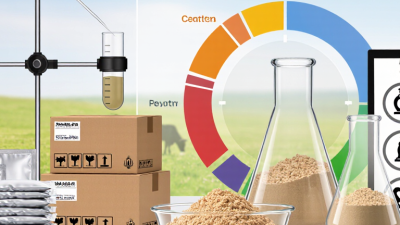
The 2026 market for Beef Kidney Powder is becoming more specialized, yet reliable supplier comparisons remain difficult. Public reports rarely separate kidney powder from broader organ-meat or dietary-supplement categories. That gap matters when buyers compare prices, certifications, and nutritional claims.
USDA FoodData Central provides established nutrient references for beef kidney and related organ meats. These records can help buyers assess protein, minerals, and vitamin content. However, laboratory results may change after drying, milling, and storage. The label deserves closer attention.
FAO’s Food Outlook and OECD-FAO Agricultural Outlook offer useful context on livestock production, feed costs, and global meat supply. These factors influence raw-material availability and export pricing. Grand View Research and similar market studies also identify continued interest in animal-based nutrition products. Their findings support demand growth, but they do not provide a precise global price for kidney powder.
Supplier pricing in 2026 may range widely. Origin, freeze-drying or low-temperature processing, minimum order quantity, packaging, and testing standards all affect the final quotation. A low price can look attractive. It may also hide weaker traceability or limited quality documentation.
Experienced buyers should request a certificate of analysis, microbial testing, heavy-metal screening, allergen information, and batch identification. Confirm whether the product is intended for human food, animal nutrition, or another lawful application. Claims should match recognized labeling rules in the target market.
This guide compares leading Beef Kidney Powder suppliers through a practical lens. It considers evidence, not polished promises. Some market information remains incomplete, and that should be acknowledged rather than disguised. Reliable purchasing is rarely the cheapest transaction. It is the clearest one.
Read more »
By:Aria
- September 18, 2026

What Are the Benefits of Bovine Heart Extract for Health?
Bovine Heart Extract is gaining attention in the health community. This potent supplement is rich in essential nutrients. It offers various benefits for heart health and overall wellness.
Heart extract comes from bovine sources, often noted for its high-quality protein. It contains important co-factors like amino acids and enzymes. These elements help support cardiovascular function, muscle maintenance, and immune health. Evidence suggests that regular intake may enhance energy levels. Some users report improved physical performance and faster recovery after workouts.
However, not everyone may experience the same benefits. Individual responses to bovine heart extract can vary. Factors like diet, lifestyle, and health conditions play a role. It is crucial to consider these aspects before incorporating this extract into your routine. More research is needed to fully understand its long-term effects on health. Ultimately, Bovine Heart Extract presents an appealing option worth exploring for those seeking natural health solutions.
Read more »
By:Liam
- August 19, 2026
Beef Liver Powder Benefits and Tips for Global Buyers?
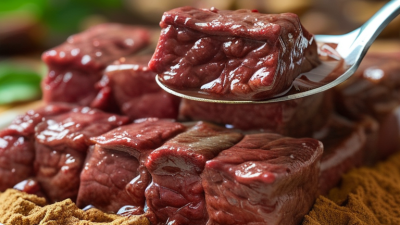
Beef Liver Powder is gaining attention globally due to its nutrient-rich profile. According to Dr. Jane Smith, a nutrition expert, "Beef Liver Powder is a powerhouse of vitamins and minerals." Many people seek ways to boost their health efficiently. This makes Beef Liver Powder an appealing option for various buyers.
Beef Liver Powder is known for its high levels of iron, vitamin A, and B vitamins. These nutrients support energy levels, skin health, and overall vitality. However, not all products are created equal. Buyers should research sourcing and processing methods. Quality varies significantly among brands, which can impact effectiveness.
While Beef Liver Powder offers numerous benefits, some users report gastrointestinal discomfort. It's important to start with small doses. Always consult with a healthcare professional before adding it to your diet. This ensures it's a suitable fit for your health needs. Taking these steps will help buyers make informed choices in a growing market.
Read more »
By:Liam
- August 19, 2026

How to Use Turkey Tail Mushroom Extract for Health Benefits?
Turkey Tail Mushroom Extract has gained attention for its potential health benefits. Dr. Myra Yang, a leading mycologist, states, "Turkey Tail is a powerhouse in the realm of natural medicine." This statement reflects the growing interest in this mushroom and its extract.
The extract is rich in polysaccharides, particularly polysaccharide-K (PSK). Research indicates that PSK may support immune system function and improve overall health. People seek natural alternatives to bolster their wellness. Turkey Tail Mushroom Extract appears to be an excellent choice for those exploring holistic health solutions.
Incorporating Turkey Tail Mushroom Extract into your routine can be simple yet effective. It's available in various forms, including capsules and powders. However, understanding the right dosage and potential interactions remains essential. Consider consulting a healthcare professional before starting any new supplement. There is still much to learn about Turkey Tail Mushroom Extract and its long-term effects.
Read more »
By:Liam
- August 19, 2026