The 2026 market for Beef Kidney Powder is becoming more specialized, yet reliable supplier comparisons remain difficult. Public reports rarely separate kidney powder from broader organ-meat or dietary-supplement categories. That gap matters when buyers compare prices, certifications, and nutritional claims.
USDA FoodData Central provides established nutrient references for beef kidney and related organ meats. These records can help buyers assess protein, minerals, and vitamin content. However, laboratory results may change after drying, milling, and storage. The label deserves closer attention.
FAO’s Food Outlook and OECD-FAO Agricultural Outlook offer useful context on livestock production, feed costs, and global meat supply. These factors influence raw-material availability and export pricing. Grand View Research and similar market studies also identify continued interest in animal-based nutrition products. Their findings support demand growth, but they do not provide a precise global price for kidney powder.
Supplier pricing in 2026 may range widely. Origin, freeze-drying or low-temperature processing, minimum order quantity, packaging, and testing standards all affect the final quotation. A low price can look attractive. It may also hide weaker traceability or limited quality documentation.
Experienced buyers should request a certificate of analysis, microbial testing, heavy-metal screening, allergen information, and batch identification. Confirm whether the product is intended for human food, animal nutrition, or another lawful application. Claims should match recognized labeling rules in the target market.
This guide compares leading Beef Kidney Powder suppliers through a practical lens. It considers evidence, not polished promises. Some market information remains incomplete, and that should be acknowledged rather than disguised. Reliable purchasing is rarely the cheapest transaction. It is the clearest one.
What Is Beef Kidney Powder and How Is It Made?
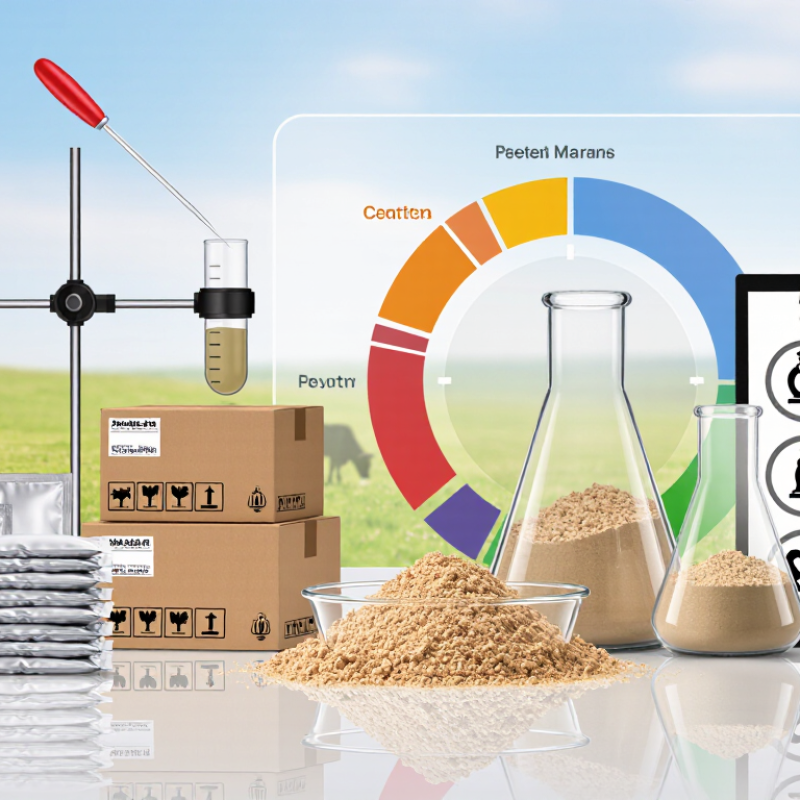
Beef kidney powder is made from cleaned, processed kidneys from cattle inspected for food safety. The organs are chilled quickly after processing to protect quality. Workers then remove excess fat, connective tissue, and visible impurities. The material is washed under controlled conditions before drying begins.
Manufacturers commonly use freeze-drying or low-temperature dehydration. Freeze-drying removes water under reduced pressure and can preserve the powder’s original structure. Low-temperature drying is often more economical, but heat control matters. Excessive heat may affect color, aroma, and some nutrients. After drying, the kidney is milled into a fine powder and passed through a sieve for consistent texture. It is then packed in moisture-resistant containers.
Reliable suppliers should provide traceability, processing details, batch numbers, and independent test results. Important checks include moisture, microbiological safety, heavy metals, and adulteration. A certificate alone is not enough. Its date, laboratory, and tested batch should match the product. In practice, powder quality can vary more than product photos suggest. Some suppliers describe “pure” powder without explaining the drying method or kidney-to-powder yield. That deserves careful questioning. Prices usually reflect raw material quality, drying technology, testing, packaging, and order volume. A very low price may indicate weaker controls, although price alone proves nothing. Fresh smell, even color, and a dry, free-flowing texture are useful observations, but laboratory verification remains more dependable.
2026 Best Beef Kidney Powder Suppliers and Prices — What Is Beef Kidney Powder and How Is It Made?
Supplier-neutral nutritional reference for beef kidney before dehydration
What is beef kidney powder?
Beef kidney powder is produced from cleaned and trimmed beef kidneys that are dehydrated, milled, and sieved into a uniform powder. The fresh kidney composition shown here is based on USDA FoodData Central reference data per 100 g. During drying, water is removed and the remaining nutrients become more concentrated; the final composition depends on the drying method and residual moisture. Buyers should compare suppliers using moisture, protein, microbiological, heavy-metal, and traceability specifications rather than price alone.
Data source: USDA FoodData Central, “Beef kidney, raw,” nutrient values per 100 g. Values may vary naturally by animal, processing conditions, and laboratory method.
Key Quality Standards for Evaluating Beef Kidney Powder Suppliers
Key Quality Standards for Evaluating Beef Kidney Powder Suppliers
Reliable beef kidney powder begins with traceable raw material. Suppliers should identify the country, cattle origin, processing site, and slaughter controls for every lot. FAO’s Food Outlook 2024 projected global meat production at nearly 374 million tonnes, showing the scale of today’s supply chain. Scale, however, does not guarantee quality. Ask for lot-specific certificates of analysis, not generic documents. Testing should cover Salmonella, E. coli, total plate count, moisture, protein, heavy metals, and identity. Independent laboratories should operate under ISO/IEC 17025 accreditation.
Processing details also matter. Low-temperature drying can help protect sensitive nutrients, while excessive heat may change color, odor, and protein quality. Packaging should limit oxygen and moisture. Suppliers should provide storage conditions, shelf-life data, and retained samples for dispute testing. ISO 22000 or HACCP-based systems are useful evidence, but certification alone cannot prove every shipment is safe. That limitation deserves attention.
Price comparisons require more than a quoted number. Calculate the landed cost, testing fees, packaging, minimum order quantity, and expected usable yield. A cheaper powder may contain more moisture or require additional testing. FAO and WHO estimate that contaminated food causes about 600 million illnesses and 420,000 deaths globally each year. This makes preventive verification commercially sensible, not merely administrative. One practical weakness remains: supplier questionnaires can look complete while overlooking inconsistent batch results. Buyers should review several recent lots and contact the testing laboratory when records seem unusually perfect.
Leading Beef Kidney Powder Suppliers to Consider in 2026
In 2026, buyers need more than a low quote when evaluating beef kidney powder suppliers. Reliable suppliers should disclose animal origin, processing location, and batch identification. Ask for a current certificate of analysis for every production lot. It should show identity, moisture, microbiology, heavy metals, and allergen controls. Look for suppliers with traceable records from approved livestock facilities. This matters. A polished website proves little.
Leading suppliers usually offer clear specifications for freeze-dried or gently dried powder. They explain temperature controls, grinding size, packaging barriers, and storage conditions. Independent laboratory testing adds useful distance from internal claims. Verify the laboratory, test date, and sample number. Suppliers serving food, nutrition, or ingredient manufacturers may provide stronger documentation than general marketplace sellers. Still, larger capacity does not guarantee better quality. That assumption deserves scrutiny.
Price comparisons should use the same basis, such as cost per kilogram, assay range, minimum order, and delivered freight. In 2026, quotes may change with animal sourcing, drying method, certification, and order volume. A very low price can reflect weaker testing or inconsistent concentration. Request a sample before signing a long-term agreement. Check its odor, color, solubility, and packaging condition, then compare results with the specification. Keep a written record of questions and replies. Some documents may look complete but remain vague. Recheck them. Choose the supplier that answers precisely, accepts reasonable audits, and explains limitations without evasive language.
Beef Kidney Powder Prices by Grade, Quantity, and Packaging
Beef kidney powder prices depend heavily on grade, quantity, and packaging. Food-grade material usually costs more than feed-grade material because it needs tighter hygiene controls and documented testing. Premium lots may include batch-specific microbiology, moisture, protein, and heavy-metal reports. These documents add value, but they do not automatically prove superior performance. Buyers should verify the test scope, laboratory date, and lot number before comparing quotations. That practical check is often overlooked.
Quantity changes the price per kilogram. Small orders often carry higher costs because setup, sampling, and labor are spread across fewer bags. Bulk orders can reduce unit pricing, although storage and shelf-life risks become more important. A realistic purchasing comparison should include shipping, customs, inspection, and possible relabeling costs. For example, a 25-kilogram carton may appear cheaper than ten 2-kilogram bags, yet it may create slower warehouse handling. Prices should be requested on the same delivery terms.
Packaging also affects how the powder is protected. Inner liners, moisture barriers, sealed drums, and temperature-controlled transport can raise the quoted price. A lined bag may suit routine storage, while rigid drums can protect longer shipments. Ask whether the package is food-contact suitable and marked with batch, net weight, production date, and storage instructions. I would not choose the lowest offer without reviewing these details. Supplier quotations rarely use identical specifications, so direct comparisons can be misleading. Request a sample and a complete specification sheet before committing to volume.
2026 Best Beef Kidney Powder Suppliers and Prices - Beef Kidney Powder Prices by Grade, Quantity, and Packaging
Pricing basis: Indicative 2026 wholesale reference ranges in USD per kilogram. Prices vary according to origin, processing method, testing requirements, certification, shipping terms, and order volume. No company or brand information is included.
| Grade |
Typical Application |
Reference Specification |
Order Quantity |
Common Packaging |
Indicative Price
(USD/kg) |
Estimated Lot Value
(USD) |
Typical Lead Time |
| Feed Grade |
Animal feed premixes and pet-food formulations |
Dehydrated beef kidney; coarse or fine powder; moisture typically ≤10% |
25–100 kg |
1 kg, 5 kg, or 25 kg multi-wall bags |
8.00–14.00 |
200–1,400 |
1–3 weeks |
| Standard Dehydrated Grade |
General ingredient use and functional animal nutrition |
Low-temperature or conventional dehydration; moisture typically ≤8–10% |
100–500 kg |
10 kg or 20 kg lined kraft bags |
12.00–20.00 |
1,200–10,000 |
2–4 weeks |
| Human-Food Grade |
Food formulations where permitted by local regulations |
Food-grade raw material; batch traceability; microbiological and heavy-metal testing |
25–250 kg |
500 g, 1 kg, or 5 kg food-contact pouches |
22.00–38.00 |
550–9,500 |
3–6 weeks |
| Freeze-Dried Grade |
Premium supplement and specialty nutrition products |
Freeze-dried powder; low water activity; typically supplied with batch testing |
10–100 kg |
100 g, 250 g, 500 g, or 1 kg foil pouches |
45.00–80.00 |
450–8,000 |
3–8 weeks |
| Organic-Certified Grade |
Certified-organic food or supplement products |
Organic certification required; origin and processing records must be verified |
25–200 kg |
500 g, 1 kg, or 5 kg certified-product packaging |
30.00–55.00 |
750–11,000 |
4–8 weeks |
| Private-Label Retail Grade |
Finished consumer products and customized retail programs |
Custom label, artwork approval, lot coding, and retail-ready packaging |
500–2,000 kg |
60 g–500 g jars, sachets, or stand-up pouches |
18.00–42.00 |
9,000–84,000 |
6–12 weeks |
Important purchasing checks: Confirm species and country of origin, processing temperature, moisture and microbiological limits, allergen controls, certificate of analysis, packaging requirements, applicable import rules, and whether the quoted price includes freight, insurance, duties, or taxes.
How to Choose the Best Supplier for Your Purchasing Needs
Choosing a beef kidney powder supplier requires more than comparing the lowest price.
FAOSTAT records global meat production above 350 million tonnes annually, but organ-meat supply remains less transparent. Ask for the exact animal source, processing country, harvest date, and batch number. A reliable supplier should provide a current certificate of analysis for every lot.
Check protein, moisture, ash, microbiological limits, and heavy-metal results.
USDA FoodData Central lists raw beef kidney as nutrient-dense, with about 27 grams of protein per 100 grams, but drying can change the final values. Do not accept generic nutrition claims. Request results from an independent laboratory, not only an internal spreadsheet.
Traceability matters.
Confirm whether the powder is freeze-dried, air-dried, or spray-dried, because heat may affect color, odor, and some nutrients. Review packaging details, oxygen control, storage temperature, and shelf-life testing. A useful supplier can explain its recall procedure within minutes. That is a practical test.
Price should be compared per kilogram of tested product, not per bag.
Include laboratory testing, freight, customs, and expected yield. USDA and Codex food-hygiene guidance support documented sanitation and hazard controls throughout processing. Still, paperwork can look perfect while sampling remains weak. I would order a small pilot batch, inspect its odor and solubility, and repeat testing before signing a long contract. Supplier communication is evidence too. Slow answers often create expensive surprises.
FAQS
Request animal origin, processing location, harvest date, and batch identification. Each lot should include a current certificate of analysis. It should cover identity, moisture, protein, microbiology, heavy metals, and allergen controls.
Traceability connects the powder to approved livestock facilities and specific production records. It supports recalls, audits, and quality investigations. A polished website proves little.
Ask whether the powder is freeze-dried, air-dried, or spray-dried. Heat can change color, odor, solubility, and some nutrient levels. The supplier should explain temperature controls clearly.
Check the laboratory, test date, sample number, and tested batch. Compare every result with the written specification. Some documents look complete but remain vague. Recheck them.
Inspect the powder’s odor, color, solubility, and packaging condition. Look for damaged seals or moisture inside the package. Repeat testing when results seem unusual.
Compare the cost per kilogram of tested product. Include testing fees, freight, customs, minimum orders, and expected yield. A cheap bag may hide weaker testing.
Review oxygen control, barrier materials, storage temperature, and shelf-life evidence. The package should protect the powder from moisture and air. Small details matter.
Ask how the supplier handles recalls, deviations, and reasonable audits. Precise answers are useful evidence. Slow or evasive replies can create expensive surprises.
No. Capacity does not guarantee consistent testing, traceability, or concentration. That assumption deserves scrutiny. A smaller supplier may document limitations better.
Conclusion
This guide provides a practical overview of Beef Kidney Powder, including what it is, how carefully selected beef kidneys are processed, and the main factors that influence its consistency and usability. It explains important supplier evaluation standards such as raw material traceability, hygienic processing, moisture control, microbial testing, nutritional specifications, packaging protection, and production quality management. Readers will also learn how to compare suppliers based on documentation, manufacturing capacity, product customization, and reliable delivery performance.
The article also examines Beef Kidney Powder pricing according to product grade, order quantity, processing requirements, and packaging format. Prices may vary significantly depending on testing standards, source materials, powder fineness, shelf-life controls, and shipping arrangements. To select the most suitable supplier, buyers should clearly define their intended application, required specifications, target volume, budget, and compliance expectations, then request representative samples and complete technical documents before placing a larger order.