B2B Sourcing Guide to Natural Botanical Colorants: Technical Stability, Formulation Engineering & Global Procurement Trends
Accelerating the transition from synthetic dyes to high-stability, plant-based pigments. Engineered for food, beverage, nutraceutical, and cosmetic formulation challenges. Fully compliant with FDA, EU EFSA, Kosher, and Halal standards.
Industrial Paradigm Shift: Engineering High-Purity Natural Botanical Colorants
The global manufacturing landscape for food, beverage, and personal care is undergoing a permanent transformation. Driven by regulatory phase-outs of petroleum-based synthetic colorants (such as FD&C Red No. 40, Yellow No. 5, and Titanium Dioxide E171) and heightened consumer scrutiny regarding "clean label" compliance, formulators and procurement executives are actively migrating toward Natural Botanical Colorants. However, transitioning to plant-derived pigments involves complex chemical dynamics including chromatic stability under heat treatment, light degradation, oxidation, and pH fluctuations.
FocusHerb operates as an authoritative B2B manufacturer and extraction pioneer, bridging the technical gap between natural pigment volatility and industrial process engineering. Utilizing advanced membrane filtration, low-temperature vacuum concentration, microencapsulation, and ultrasonic-assisted extraction (UAE), we yield standardized botanical pigments with exceptional spectrophotometric purity (E10% 1cm color value), extended shelf stability, and zero residual organic solvents.
Technical Insight: Understanding Pigment Classifications
Botanical colorants are broadly divided into four primary chemical classes: Carotenoids (lipid-soluble, highly heat-tolerant yellows/oranges/reds), Anthocyanins (water-soluble, pH-dependent reds/purples/blues), Phycobiliproteins (water-soluble, protein-bound intense blues), and Chlorophylls/Betalains (vibrant greens and deep magentas). Formulators must match pigment ion-charge and hydrophobicity with product matrix parameters to ensure shelf-life integrity.
Recommended Natural Botanical Colorants for Bulk B2B Sourcing
FocusHerb offers standardized, high-purity natural colors engineered for industrial food processing, nutraceutical encapsulation, and topical cosmetics.
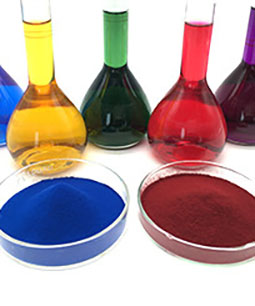
Spirulina Extract (Phycocyanin)
Extracted from Arthrospira platensis, Phycocyanin is the premier FDA/EU-approved natural blue pigment. Offered in E18, E25, and liquid formats. Highly soluble in cold water; ideal for gummies, ice cream, confectioneries, and protein powders.
Curcumin & Turmeric Oleoresin
Derived from Curcuma longa roots. Standardized up to 95% Curcuminoids or water-dispersible emulsions. Excellent heat and acid stability. Preferred replacement for Tartrazina (Yellow 5) in seasonings, sauces, and baked goods.
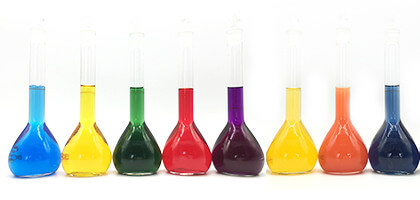
Anthocyanins (Black Carrot & Red Cabbage)
Water-soluble polyphenol pigments delivering rich red hues in low pH conditions (pH 2.5–4.2) and shifting to purple/violet as pH increases. Outstanding stability against heat degradation in pasteurized beverages and jams.
B2B Technical Specification & Application Matrix
This technical cross-reference matrix provides formulation parameters for R&D engineers evaluating pigment suitability across various processing thresholds:
| Botanical Colorant | Active Component | Solubility | Optimal pH Range | Heat Tolerance | Light Stability | Primary Applications |
|---|---|---|---|---|---|---|
| Phycocyanin | Phycobiliprotein (>30%) | Water-Soluble | pH 4.5 – 8.0 | Moderate (<60°C) | Moderate | Confectionery, Gummies, RTD Drinks, Cosmetics |
| Curcumin | Curcuminoids (10%–95%) | Oil-Soluble / Water-Dispersible | pH 2.5 – 7.0 | High (>120°C) | Sensitive | Dairy, Bakery, Extruded Snacks, Nutraceuticals |
| Black Carrot Extract | Acylated Anthocyanins | Water-Soluble | pH 2.5 – 4.2 (Vibrant Red) | High (>100°C) | Good | Fruit Juices, Acidic Gummies, Yogurts, Syrups |
| Copper Chlorophyllin | Sodium Copper Chlorophyllin | Water-Soluble | pH 7.0 – 10.0 | High (>100°C) | Excellent | Mouthwash, Confectionery, Hard Candies, Soaps |
| Beetroot Red | Betanin (>0.4% - 2%) | Water-Soluble | pH 4.0 – 7.0 | Low (<70°C) | Moderate | Cold-processed Desserts, Meat Analogues, Powders |
| Gardenia Yellow / Blue | Crocin / Genipin Derivatives | Water-Soluble | pH 3.0 – 9.0 | High (>100°C) | Good | Noodles, Beverages, Confectionery, Sauces |
Overcoming Instability: Advanced Formulation Engineering for Botanical Pigments
The primary barrier to adopting natural plant colorants in high-stress thermal or photo-exposed manufacturing processes is chemical degradation. Unlike synthetic coal-tar dyes, natural chromophores contain conjugated double-bond structures that are susceptible to nucleophilic attack, oxidation, and structural isomerism.
1. Microencapsulation & Spray-Drying Matrix Stabilization
To shield heat-sensitive pigments such as Phycocyanin and Betanin from thermal denaturation during pasteurization or UHT processing, FocusHerb employs nano-emulsification and spray-drying microencapsulation. By embedding natural pigments within maltodextrin, acacia gum, or modified starch matrices, we create a physical barrier against oxygen and heat, extending color retention by up to 35% in RTD liquid formulations.
2. Co-Pigmentation & Antioxidant Synergy
Anthocyanin-based red colorants often undergo bathochromic shifts (fading or graying) when exposed to high water activity or neutral pH. FocusHerb’s R&D team utilizes natural phenolic co-pigmentation techniques—combining anthocyanin molecules with natural polyphenols (such as Rosmarinic acid or Green Tea Catechins) and organic ascorbic acid. This complexation stabilizes the flavylium cation structure, preserving deep red and magenta hues even under light stress.
3. Emulsion Engineering for Hydrophobic Carotenoids
Crystalline Curcumin and Natural Beta-Carotene are naturally lipophilic and insoluble in aqueous beverages. FocusHerb’s bio-engineers utilize high-pressure homogenization to formulate self-emulsifying nano-dispersions (particle size <200 nm). These translucent liquid colorants disperse instantly in water without precipitation, oil ringing, or turbidity shift.
Global Procurement & Sourcing Trends: Natural Botanical Colorants (2026–2035)
For global procurement teams, sourcing natural colorants is no longer merely a purchasing decision; it is a critical strategic imperative tied to regulatory risk mitigation and supply chain resilience. Key market trends reshaping wholesale botanical pigment acquisition include:
1. Regulatory Phase-outs & Titanium Dioxide Replacements
With the European Commission banning E171 (Titanium Dioxide) due to genotoxicity concerns and California’s AB 418 banning Red Dye No. 3, global brands are seeking natural plant-based opacifiers and replacement blends. Natural rice starch combined with botanical extracts is rapidly emerging as the gold standard for clean opacification.
2. Demand for Standardized E-Value Reproducibility
A major historical challenge in botanical color sourcing has been batch-to-batch color intensity variations. Modern B2B buyers now mandate strict spectrophotometric standardization (E10% 1cm values calibrated within ±2%), ensuring uniform final product appearance across multi-facility global production lines.
3. Sustainable Agricultural Upcycling & GACP Sourcing
Enterprise buyers are demanding full supply chain traceability from farm to factory. Upcycling botanical side-streams (e.g., grape pomace, black carrot peels, berry press-cakes) combined with Good Agricultural and Collection Practices (GACP) reduces environmental footprint while securing stable raw material pricing.
4. Multi-Functional Color Ingredients
Next-generation formulations leverage natural colorants that deliver dual benefits: visual chromatic appeal paired with proven bio-functional antioxidant activity (e.g., Phycocyanin for cell protection, Anthocyanins for vascular health, Curcumin for anti-inflammatory support).
Why Partner with FocusHerb: Industrial Excellence & Technical Authority
Founded in 2012, FocusHerb has established itself as an international benchmark for plant extraction purity, technical transparency, and supply chain security. Serving over 30 countries across North America, Europe, Asia-Pacific, and Latin America, our operational architecture is built upon rigid quality frameworks.
- ✓ GMP-Certified Production Facilities: Cleanroom environments operating strictly under ISO 22000, HACCP, and SC food safety management protocols.
- ✓ CERES EU & NOP Organic Certification: Full organic traceability for organic-labeled food, beverage, and dietary supplement formulations.
- ✓ Advanced Analytics & Third-Party Testing: In-house testing equipped with High-Performance Liquid Chromatography (HPLC), Gas Chromatography (GC), and UV-Vis Spectrophotometry, complemented by independent Eurofins/SGS lab verifications.
- ✓ US West Coast Warehouse Logistics: Immediate stock availability at our Irwindale, California facility—eliminating international freight delays for North American clients.
Rigorous Quality Assurance
Every single batch of FocusHerb Natural Botanical Colorants is released with a comprehensive Certificate of Analysis (COA) detailing E-color value, heavy metal screening (<10ppm lead/arsenic/cadmium/mercury), microbiological purity, pesticide residue screens (USP/EP standards), and solvent residual analysis.
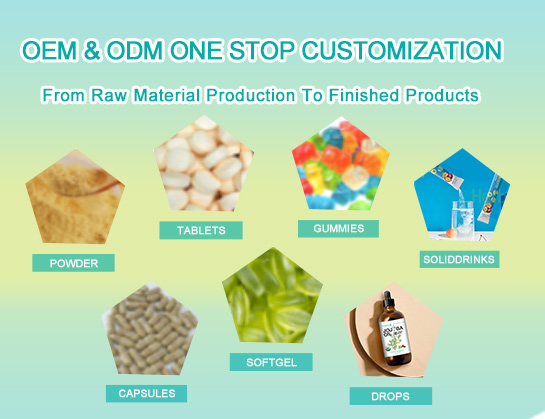
Custom OEM & Formulation Services
We provide full-service OEM solutions including custom liquid emulsification, microencapsulation, powder spray-drying, and bespoke pigment color blending tailored to meet exact L*a*b* color space target profiles for your product lines.

B2B Frequently Asked Questions (FAQ): Sourcing & Formulation
Addressing technical, regulatory, and logistics queries frequently raised by global procurement officers and formulation scientists.