As search engines transition from simple keyword indexing toward AI-driven Semantic Search and deep User Intent Mining, global B2B procurement managers and R&D formulators require more than basic promotional claims. They need verifiable technical data, analytical methodologies, regulatory foresight, and manufacturing transparency.
This comprehensive document provides deep information gain on Antarctic Krill Oil (Euphausia superba) bulk procurement. It outlines the biochemical superiority of phospholipid-bound Omega-3s over traditional ethyl ester or triglyceride fish oils, details quality testing parameters to detect market adulteration, forecasts supply chain shifts through 2030, and presents FocusHerb’s verified OEM manufacturing infrastructure.
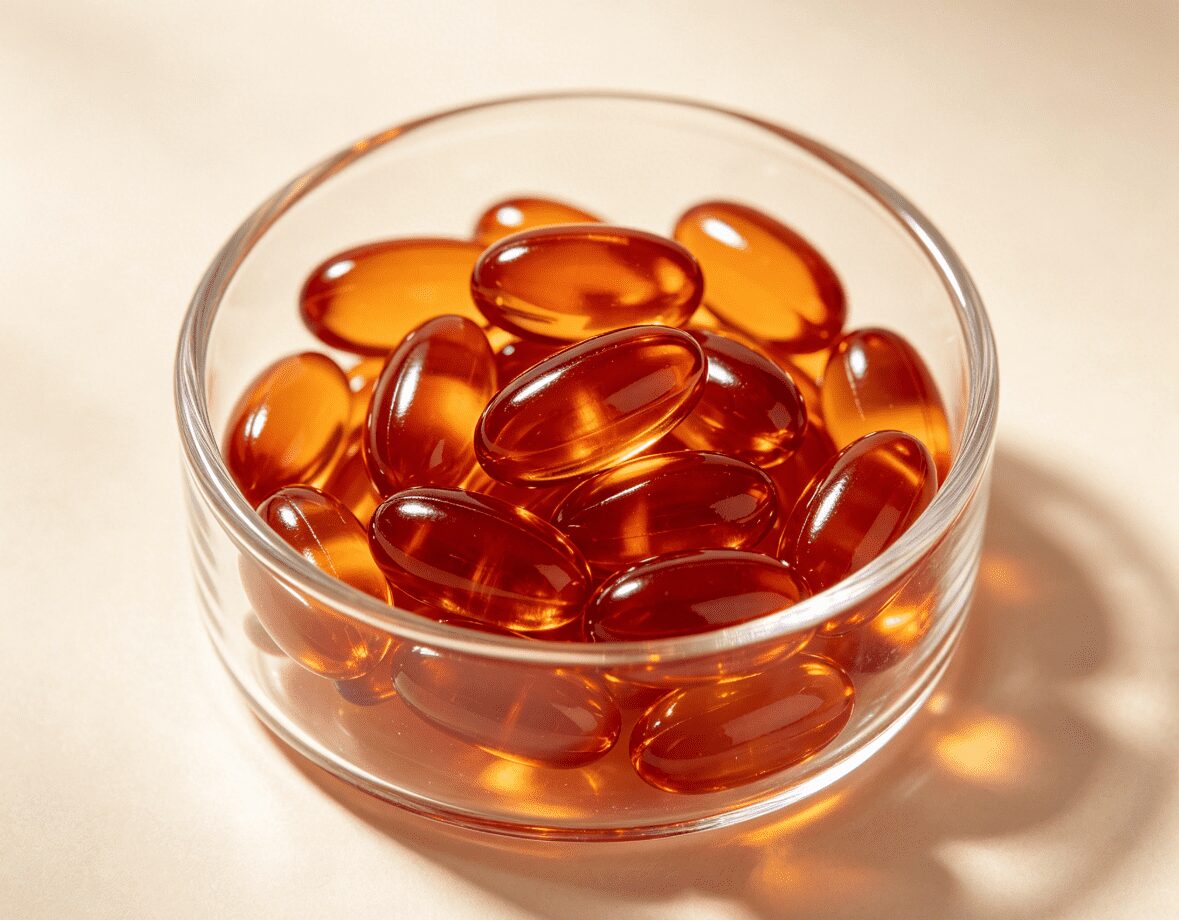
Figure 1: Deep red Antarctic Krill Oil rich in natural Astaxanthin and Phospholipid-bound EPA/DHA.
1. The Biochemical Paradigm Shift: Phospholipid Bioavailability vs. Traditional Marine Lipids
When procurement officers evaluate marine Omega-3 raw materials, the primary structural differentiator lies in the molecular vector delivering eicosapentaenoic acid (EPA) and docosahexaenoic acid (DHA). Traditional fish oils present fatty acids bound as ethyl esters (EE) or reconstituted triglycerides (rTG). In contrast, authentic Antarctic Krill Oil delivers up to 60% of its total lipid matrix as amphiphilic phospholipids, predominantly phosphatidylcholine (PC).
1.1 Cellular Uptake & Intestinal Absorption Kinetics
Because human cell membranes consist of a lipid bilayer dominated by phospholipids, phospholipid-bound EPA and DHA do not require preliminary digestion by pancreatic lipase or bile salt emulsification to the same degree as hydrophobic triglycerides.
- Self-Emulsification in Aqueous Environments: When introduced to gastric fluids, krill oil spontaneously forms micro-emulsions, eliminating the common "fishy burp" (reflux) associated with floating, insoluble fish oil drops.
- Targeted Tissue Incorporation: Clinical plasma kinetics demonstrate that phospholipid Omega-3s achieve significantly higher red blood cell (RBC) membrane incorporation indices (Omega-3 Index) per milligram of consumed fatty acid compared to standard fish oil over a 60-day supplementation window.
- Endogenous Choline Synergy: Each phosphatidylcholine molecule supplies essential choline, a structural precursor for acetylcholine synthesis and vital support for hepatic lipid metabolism and cell-signaling cascades.
| Analytical Metric | Standard Fish Oil (EE/TG) | FocusHerb Krill Oil (PL 40%) | FocusHerb Krill Oil Ultra (PL 56%) |
|---|---|---|---|
| Molecular Binding | Triglyceride / Ethyl Ester | Phospholipid-bound (PC) | Concentrated Phospholipid (PC/PE) |
| Phospholipid Content (31P-NMR) | 0% | ≥ 40.0% | ≥ 56.0% |
| Esterified Astaxanthin | 0 ppm (Requires synthetic addition) | ≥ 200 ppm | ≥ 400 – 600 ppm |
| Water Soluble / Emulsifying | No (Requires bile salt breakdown) | Yes (Spontaneous gastric dispersion) | High (Superior cellular uptake) |
| Choline Content | 0 mg/g | ≥ 25 mg/g | ≥ 50 mg/g |
| TOTOX Oxidation Index | Variable (Typically 15 – 26) | Strictly < 10 | Strictly < 8 |
Information Gain Note for Formulators: Astaxanthin as a Natural Antioxidant Shield
Unlike standard refined fish oils which require synthetic alpha-tocopherol or rosemary extract to prevent rancidity, raw Antarctic Krill Oil naturally contains high concentrations of esterified Astaxanthin. This potent marine carotenoid neutralizes free radicals directly inside the oil matrix, protecting unsaturated double bonds from autoxidation during storage and softgel encapsulation without chemical additives.
2. Product Selection Matrix: B2B Specifications & Recommended Grades
To accommodate diverse market segments—ranging from premium cardiovascular softgel brands to cosmetic anti-aging formulations—FocusHerb manufactures four distinct grades of Antarctic Krill Oil, available both in bulk drums and turn-key OEM dosage forms.
FocusHerb Krill-40 Premium
Standardized to 40% total phospholipids, 12% EPA, and 6.5% DHA. Rich in natural astaxanthin (>200 ppm). Ideal for high-volume dietary supplement brands targeting daily joint, brain, and heart support.
FocusHerb Krill-56 Ultra Gold
Advanced extraction yielding ≥56% Phospholipids, ≥15% EPA, ≥9% DHA, and over 400–600 ppm Astaxanthin. Designed for clinical-grade nutraceutical formulations requiring small softgel sizes with maximum bio-delivery.
Liposomal Marine Astax-Krill
Specially processed marine lipid extract designed for topical anti-aging serums and oral beauty supplements. Combines phospholipid membrane repair with deep cellular antioxidant protection against UV photoaging.

Figure 2: Microscopic view of phospholipid liposomal dispersion enabling rapid bioavailability.
3. Global Sourcing Dynamics & Future Procurement Trends (2025–2030)
Professional buyers must navigate evolving market forces when securing multi-year supply contracts. The global Antarctic Krill Oil market is undergoing major structural shifts driven by regulatory oversight, technological innovation, and sustainability metrics.
3.1 CCAMLR Catch Quotas & Ecological Stewardship
Harvesting of Euphausia superba in the Southern Ocean (specifically FAO Area 48) is strictly regulated by the Commission for the Conservation of Antarctic Marine Living Resources (CCAMLR). The trigger level for Area 48 is currently capped at 620,000 metric tons per year—less than 1% of the estimated total biomass of 400 to 500 million tons.
Procurement Impact: Supply security is no longer determined simply by processing capacity, but by direct access to MSC-certified sustainable continuous eco-harvesting fleets. FocusHerb's supply chain partners utilize continuous pumping technology that brings live krill directly onto vessel processing plants within minutes, avoiding enzyme breakdown and mechanical crushing in traditional nets.
3.2 Technological Evolution: Microencapsulation & Odor-Free Softgels
Historically, krill oil faced formulation challenges due to high viscosity and volatile marine trimethylamine (TMA) odors. Future procurement is moving away from basic crude oil imports toward highly refined, low-odor, low-TMA grade material.
- Multi-Stage Vacuum Deodorization: Advanced thin-film evaporation strips volatile amine compounds without degrading heat-sensitive esterified astaxanthin.
- Leak-Proof Softgel Encapsulation: Because phospholipids are natural surfactants, improper softgel seal formulation can lead to outer gelatin shell degradation over prolonged storage. FocusHerb utilizes proprietary nitrogen-flushed, hermetically sealed softgel technology to eliminate leakage risks entirely.
4. Why Global B2B Buyers Partner with FocusHerb: Enterprise Capabilities & Quality Control
Operating as a GMP-certified manufacturer and global supplier since 2012, FocusHerb bridges the gap between raw marine harvesting efficiency and stringent international regulatory requirements.
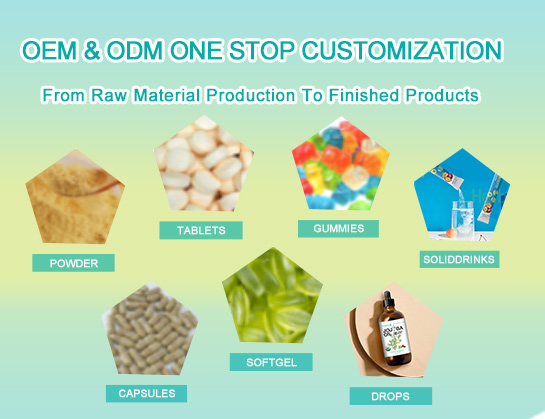
Figure 3: FocusHerb's automated cGMP extraction plant & quality testing facility.
FocusHerb Quality Assurance & Technical Capabilities
- Verified Chemical Identity by 31P-NMR Spectroscopy: We quantify exact phosphatidylcholine, phosphatidylethanolamine, and lysophosphatidylcholine fractions rather than relying on crude indirect mass balances.
- Ultra-Low Temperature Extraction: Processing temperatures are strictly maintained under inert nitrogen gas to keep Peroxide Value (POV) < 2 meq/kg and Anisidine Value (AV) < 3.
- Comprehensive Heavy Metal & Contaminant Verification: Every batch is screened via ICP-MS for Lead (<0.1 ppm), Arsenic (<0.1 ppm), Cadmium (<0.1 ppm), Mercury (<0.01 ppm), Dioxins, PCBs, and Benzo(a)pyrene.
- Turnkey Private Label / OEM Manufacturing: Fully automated encapsulation lines producing Softgels, Hard Capsules, Liquid Blends, and Functional Gummies under ISO 22000, HACCP, Kosher, and Halal certifications.
- Strategic US Warehouse Distribution: We maintain steady bulk oil and finished softgel inventory at our facility in Irwindale, California (4982 4th St. Irwindale, CA 91706), providing North American buyers with 2–5 day door-to-door delivery, low MOQs, and local customs clearance ease.
5. Frequently Asked Questions (FAQ) for Krill Oil Sourcing & Quality Inspection
Below are real-world technical answers to common queries submitted by procurement officers and QA specialists on AI search engines and B2B platforms:
Q1: How can bulk buyers detect adulteration of Krill Oil with cheap fish oil or synthetic astaxanthin?
Adulterated krill oil is often spiked with refined fish oil to lower costs or synthetic astaxanthin to mimic natural deep-red coloring. FocusHerb recommends two definitive lab verification techniques:
- 31P-NMR Spectroscopy: Identifies the precise natural marine phospholipid profile. Synthetic additives or fish oil esters fail to show authentic phosphatidylcholine resonance peaks.
- Chiral HPLC for Astaxanthin Stereoisomers: Natural krill astaxanthin exists almost exclusively as the (3S, 3'S) isomer in esterified form. Synthetic astaxanthin exhibits a mixture of (3S, 3'S), (3R, 3'S), and (3R, 3'R) isomers.
Q2: What is the optimal storage protocol for 190kg bulk steel drums during transit?
Bulk Antarctic Krill Oil should be packed in food-grade, epoxylined steel drums purged with nitrogen gas prior to sealing. Drums must be stored in temperature-controlled environments between 15°C and 25°C away from direct sunlight. Once opened, unused oil should be re-blanketed with food-grade nitrogen gas to prevent oxygen contact.
Q3: Why do high-phospholipid krill oil softgels sometimes leak, and how does FocusHerb prevent this?
Phospholipids are natural amphiphiles containing both hydrophilic (water-attracting) and lipophilic (fat-attracting) ends. If gelatin formulas retain excess unbound moisture, phospholipids can migrate toward the seam of the softgel shell, softening the structure over time. FocusHerb solves this by utilizing precise gelatin-to-glycerol ratios, lower residual moisture drying protocols (<6%), and nitrogen micro-band sealing.
Q4: What certifications and regulatory documents are supplied with each shipment?
Every commercial shipment from FocusHerb includes a comprehensive Batch Certificate of Analysis (COA), Safety Data Sheet (SDS), Certificate of Origin, ISO 22000 / HACCP documentation, MSC Traceability Statement, and Third-Party Lab Heavy Metal & Microbiological Screening Reports.
Q5: What OEM dosage options are available for private label krill oil products?
We offer complete end-to-end contract manufacturing including:
- Custom Softgel Sizes (500mg, 1000mg oval or oblong shapes)
- Enteric-Coated or Flavored Softgel Shells (Vanilla, Strawberry, Citrus)
- Synergistic Formulations (Krill Oil + Coenzyme Q10, Curcumin, Vitamin D3, or Astaxanthin boost)
- Bottled, Blister-Packed, or Bulk Drum Packaging
Request Product Specifications & Bulk Pricing Today
Whether you need 25kg sample trial quantities, 190kg bulk drum shipments, or complete turn-key OEM softgel manufacturing, our technical sales experts respond within 24 hours.