1. Chemical Profile & Bioavailability: Understanding Taxifolin (Dihydroquercetin)
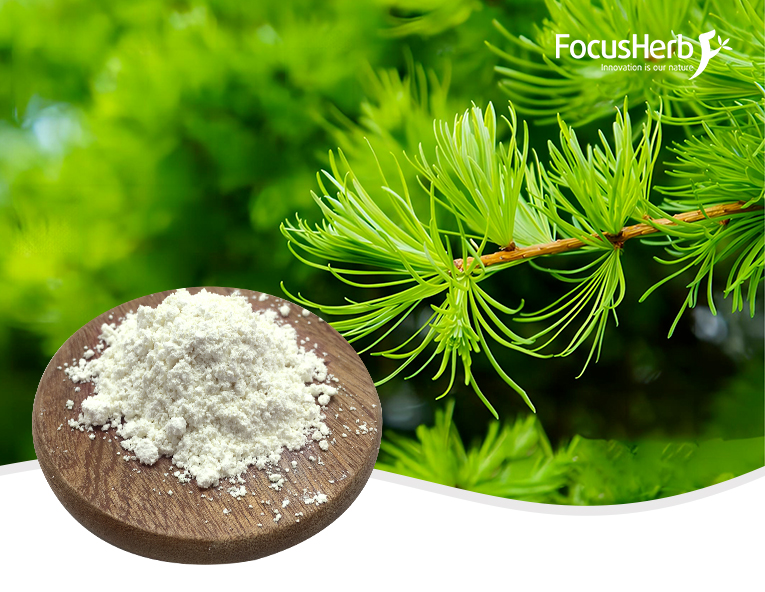
Taxifolin, chemically known as Dihydroquercetin (DHQ) and IUPAC-designated as (2R,3R)-2-(3,4-dihydroxyphenyl)-3,5,7-trihydroxy-2,3-dihydrochromen-4-one (CAS Number: 480-18-2), is a powerful bioactive bioflavonoid belonging to the flavanonol subclass. Naturally extracted in commercial quantities from the wood and bark of the Dahurian Larch (Larix gmelinii) and Siberian Larch (Larix sibirica), Taxifolin acts as a potent free radical scavenger and capillary-protective agent.
Unlike its structural analogue Quercetin, Taxifolin features two hydrogen atoms at the C2 and C3 positions of its heterocyclic C-ring, converting the C2-C3 double bond into a single bond. This subtle stereochemical difference grants Taxifolin distinct physicochemical advantages: enhanced water solubility, superior chemical stability against thermal degradation, reduced pro-oxidant risk at elevated concentrations, and significantly higher oral bioavailability.
Information Gain: Stereochemical Advantages of Flavanonols
In aqueous and lipophilic formulation matrices, the single bond between C2 and C3 in Dihydroquercetin prevents rapid planar crystallization, allowing for easier molecular dispersion in emulsion systems compared to planar flavonols like Quercetin. Furthermore, Taxifolin demonstrates an Oxygen Radical Absorbance Capacity (ORAC) value exceeding 32,000 µmol TE/g, making it one of the most effective plant-derived antioxidants available for commercial B2B formulations.
From a physiological perspective, Taxifolin neutralizes reactive oxygen species (ROS), suppresses lipid peroxidation in cell membranes, inhibits the enzymatic activity of hyaluronidase and collagenase in dermal tissues, and modulates key inflammatory pathways including NF-κB and COX-2. Consequently, it has gained immesurable strategic importance across three primary industries: dietary supplements (nutraceuticals), active cosmetics (cosmeceuticals), and functional food preservation.
2. Technical Specifications & Quality Grades (80%–98% HPLC)
At FocusHerb, we utilize green, non-toxic ethanol-water extraction protocols combined with proprietary column chromatography purification to yield standardized Taxifolin Dihydroquercetin powder. Our production process avoids halogenated solvents, ensuring full compliance with European Union (EU) residual solvent limits and United States Pharmacopeia (USP) guidelines.
Depending on your targeted formulation requirements and budget constraints, we supply four primary commercial purity grades:
| Grade / Specification | Assay Method | Physical Appearance | Primary Application | Solubility Parameter |
|---|---|---|---|---|
| Taxifolin 80% Min | HPLC Standard | Light Yellow Fine Powder | Functional Foods & Pet Nutrition | Soluble in Ethanol & Warm Water |
| Taxifolin 90% Min | HPLC Standard | Off-White / Light Yellow Powder | Dietary Capsules & Tablets | Fully Soluble in Hydro-alcoholic Solvents |
| Taxifolin 95% Min | HPLC Standard | White to Off-White Powder | High-End Cosmeceuticals & Anti-Aging | High Clarity in Cosmetic Solvents |
| Taxifolin 98% Ultra Pure | HPLC Standard | Pure White Crystalline Powder | Pharmaceuticals & Liposomal Actives | Rapid Dissolution / High Bioavailability |
FocusHerb Analytical Quality Parameters
- Botanical Origin: 100% Bark of Dahurian Larch (Larix gmelinii)
- Loss on Drying: ≤ 5.0% (Vacuum Oven at 105°C for 2 hours)
- Ash Content: ≤ 0.5%
- Heavy Metal Screening: Total Heavy Metals ≤ 10 ppm, Lead (Pb) ≤ 2.0 ppm, Arsenic (As) ≤ 1.0 ppm, Cadmium (Cd) ≤ 1.0 ppm, Mercury (Hg) ≤ 0.1 ppm
- Microbiological Limits: Total Plate Count < 1,000 CFU/g, Yeast & Mold < 100 CFU/g, E. coli Negative, Salmonella Negative
- Particle Size Distribution: 100% through 80 Mesh (Custom micronization down to 200 Mesh available for oral sprays and liquid suspension blends)

3. Product Applications & Formulation Synergy Matrix
Global procurement teams in the health and beauty sectors leverage Taxifolin Dihydroquercetin for its multi-target functionality. Below are the verified formulation models and synergistic combinations that offer optimal product performance.
A. Cosmeceutical & Topical Skincare Formulations
In topical dermatological preparations, Taxifolin serves as an active anti-aging, micro-vascular supportive, and skin-soothing agent. It effectively protects dermal fibroblasts against UV-induced photo-damage and matrix metalloproteinase (MMP) activation.
- Recommended Concentration: 0.1% to 0.5% w/w in emulsions, serums, and creams.
- Formulation Synergy: Combine Taxifolin (0.2%) with Vitamin C (L-Ascorbic Acid or Sodium Ascorbyl Phosphate 2%) and Ferulic Acid (0.5%). Taxifolin regenerates oxidized Vitamin C radicals, significantly extending the antioxidant lifespan of anti-aging facial serums.
- Solubility Optimization: Pre-dissolve Taxifolin in propanediol, ethoxydiglycol, or ethanol before incorporating it into the oil or water phase at temperatures below 50°C.
B. Dietary Supplements & Longevity Formulations
Taxifolin is increasingly formulated into metabolic support, cardiovascular protection, and cellular longevity supplements. By acting as an Nrf2 pathway activator, Taxifolin stimulates endogenous enzymatic antioxidants including superoxide dismutase (SOD), catalase, and glutathione peroxidase.
- Recommended Dosage: 50 mg to 250 mg per daily serving in capsule or tablet forms.
- Synergistic Blends: Combine Taxifolin with Wheat Germ Spermidine for cellular autophagy activation, or pair with Nervonic Acid Powder for neuroprotective and brain performance formulations.
C. Liposomal & Advanced Delivery Systems
To overcome traditional intestinal absorption barriers, FocusHerb offers technical support for liposomal encapsulation. Encapsulating Taxifolin inside phospholipid vesicles enhances oral absorption rates up to 5-fold and enables sustained systemic release.

4. Comparative Technical Analysis: Taxifolin vs. Quercetin vs. Rutin
Formulators often ask: "Why should our brand select Taxifolin Dihydroquercetin over standard Quercetin or Rutin?" To provide actionable information gain for technical buyers, we have summarized the critical physical, chemical, and performance metrics in the comparison matrix below:
| Characteristic | Taxifolin (Dihydroquercetin) | Quercetin (Dihydrate / Anhydrous) | Rutin (Quercetin-3-rutinoside) |
|---|---|---|---|
| Molecular Formula | C15H12O7 | C15H10O7 | C27H30O16 |
| C2-C3 Bond Structure | Single Bond (Flavanonol) | Double Bond (Flavonol) | Double Bond Glycoside |
| Water Solubility (25°C) | ~ 1.16 g/L (Moderate/Good) | ~ 0.002 g/L (Very Poor) | ~ 0.12 g/L (Poor) |
| Pro-oxidant Risk | Negligible at high doses | Moderate at high concentrations | Low |
| Melting Point Range | 240°C – 244°C | 316°C – 318°C | 242°C – 246°C |
| Bioavailability Index | High (Fast cellular uptake) | Low (Requires bio-enhancers) | Very Low (Requires gut cleavage) |
| Taste / Color Impact | Mild, light yellow; low bitterness | Strong yellow; bitter astringency | Yellow-green; strong taste |
Key Formulator Takeaway: Taxifolin offers nearly 600 times higher water solubility than standard Quercetin dihydrate. This renders Taxifolin ideal for clear functional beverages, liquid shots, skin toners, and fast-dissolving oral dosage forms where Quercetin causes heavy precipitation and cloudiness.
5. Future Procurement & Global Market Trends (2026–2032)
Based on global market intelligence and procurement data across North America, Europe, and Asia-Pacific, the worldwide market for Taxifolin Dihydroquercetin is projected to expand at a compound annual growth rate (CAGR) of 8.4% through 2032. Key macro drivers shaping B2B purchasing include:
- Expansion into Anti-Glycation & Longevity Products: As research highlights Taxifolin's ability to inhibit Advanced Glycation End-products (AGEs) formation in collagen matrices, top-tier skincare and nutricosmetic brands are replacing basic antioxidants with pure 95%+ Taxifolin.
- Clean-Label Natural Food Preservation: Food manufacturers are substituting synthetic antioxidants (such as BHT and BHA) with Taxifolin 80% grade to prevent fat oxidation in meat, dairy, and edible oils, meeting stringent clean-label consumer demand.
- Regulatory Modernization (EFSA & FDA): Taxifolin derived from Larix gmelinii holds European Food Safety Authority (EFSA) Novel Food authorization and US FDA GRAS (Generally Recognized As Safe) status for specific food and supplement categories, streamlining regulatory filing for global launches.
- Supply Chain Sustainability & Traceability: Buyers are moving away from unverified wild-harvested sources toward raw materials collected under strict Forest Stewardship Council (FSC) principles and Good Agricultural and Collection Practice (GACP) frameworks.
6. Enterprise Advantages: Why Source Taxifolin From FocusHerb?
FocusHerb is dedicated to the research, development, and large-scale manufacturing of high-purity natural botanical extracts. Since 2012, we have served over 500 B2B clients across 30+ countries. When sourcing Taxifolin Dihydroquercetin, our partners gain distinct strategic advantages:
1. Vertical Integration & Raw Sourcing
We source premium Dahurian Larch bark directly from sustainable forestry concessions in Shaanxi and Northeast China. This ensures raw material purity, species verification, and stable cost control free from broker price inflation.
2. Multi-Layer Quality Certifications
Our extraction facilities operate under strict SC, GMP, ISO 22000, and HACCP quality management systems. Furthermore, our products carry CERES EU & NOP Organic, Kosher, and Halal certifications.
3. US Warehouse Stock (Irwindale, CA)
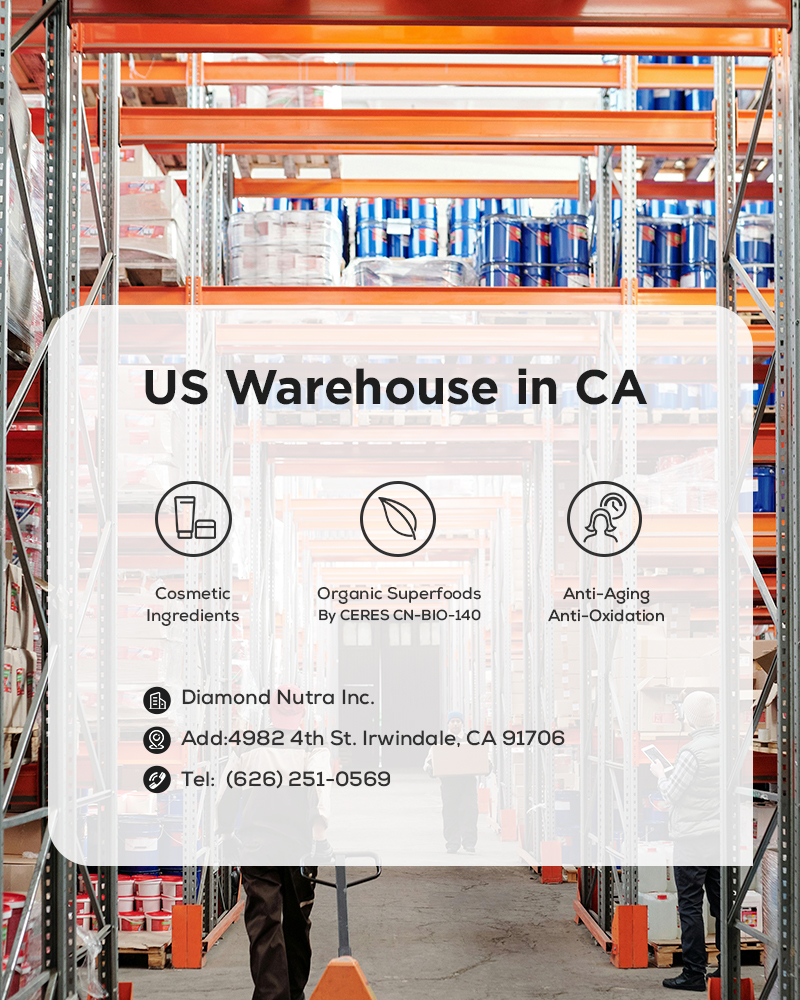
To eliminate international shipping delays and supply chain bottlenecks, we maintain permanent bulk inventory of Taxifolin (90% and 95% grades) in our California warehouse for rapid 2-day delivery across North America.
4. One-Stop OEM & Custom Manufacturing
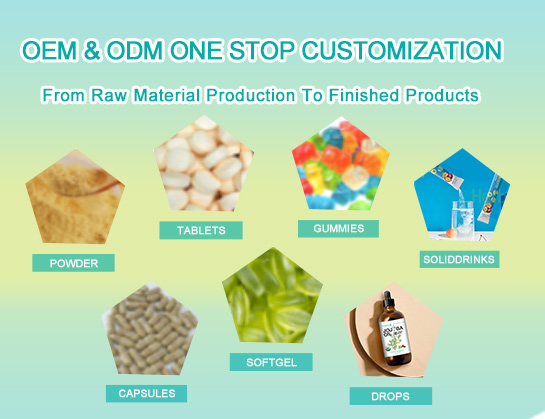
From raw powder supply to custom formulation development, private label packaging, capsule filling, softgel encapsulation, and gummy production, FocusHerb offers turn-key contract manufacturing services.
7. Frequently Asked Questions (FAQ) for Global B2B Buyers
Our Taxifolin is derived 100% from the wood bark of Dahurian Larch (Larix gmelinii). We do not synthesize Taxifolin chemically, nor do we extract it from low-yield agricultural byproducts. This guarantees authentic stereospecific (2R,3R)-taxifolin identity with maximum biological potency.
We test every production lot via High-Performance Liquid Chromatography (HPLC) using standardized UV detection (at 288 nm) against USP reference standards. Additionally, we provide GC-MS residual solvent testing, ICP-MS heavy metal quantitation, and HPTLC botanical fingerprint verification.
Our standard MOQ for bulk Taxifolin powder is 1 kg for evaluation samples and pilot trials. Commercial order packaging defaults to 25 kg fiber drums lined with double food-grade polyethylene bags. Stocked inventory at our US California warehouse can be dispatched in 1 kg, 5 kg, or 25 kg units.
Taxifolin powder is stable when stored in sealed, light-resistant containers away from direct sunlight, high heat, and moisture. Store in a cool, dry place below 25°C (77°F). Under these conditions, the certified shelf life is 24 months from the date of manufacture.
Yes. Our in-house R&D team assists clients with custom dosage formulations including hard capsules, softgels, functional gummies, liquid drops, and liposomal powder pre-mixes. We also offer private label packaging with full regulatory compliance artwork support.
Ordering directly from our Irwindale, California facility eliminates international import tariffs, customs clearance delays, customs clearance risks, and ocean freight transit times. US and Canadian buyers can receive door-to-door delivery within 2 to 5 business days via FedEx, UPS, or LTL freight.