FocusHerb Industry Blog and Knowledge Hub
FocusHerb Knowledge Center

Industry Insights & Articles

Technical guides, quality inspection standards, and regulatory trends in botanical extracts and nutraceuticals.

Botanical Extract Manufacturing Insights
Research & Innovation

Plant Extract Application Guides

In-depth research on medicinal mushrooms, bioactive peptides, and custom dosage formulations.

Organic Superfoods and Market Trends
Global Market Trends

Nutraceutical Ingredients Analysis

Expert perspectives on market demand, organic certifications, and bulk purchasing strategies.

0%

Choosing reliable Antarctic Krill Oil suppliers requires more than comparing prices or reading polished product pages. Buyers must examine sourcing records, processing controls, testing methods, and communication standards. A dependable supplier should explain where the krill was harvested, how the oil was extracted, and how each batch is identified. Clear answers matter.

Look for documented traceability from harvest vessel to finished bottle. Request recent certificates of analysis covering phospholipids, omega-3 content, oxidation values, heavy metals, and microbiological safety. Independent laboratory testing can provide stronger evidence than an internal statement alone. Certifications may support credibility, but they should be verified with the issuing organization. Experience also matters. Suppliers familiar with marine oils can discuss storage temperatures, oxygen exposure, packaging barriers, and shelf-life testing in practical detail.

Sustainability deserves equal attention. Responsible suppliers should describe their fishery management, harvesting limits, and relevant certification status without using vague environmental claims. Antarctic ecosystems are sensitive, so purchasing decisions should consider both product quality and ecological responsibility. No checklist is perfect. Some documents may be current but incomplete, while an attractive website may hide weak quality systems. A careful buyer should compare evidence, ask precise questions, and record unanswered concerns. This approach cannot remove every risk, but it can reduce avoidable mistakes. The strongest supplier is not always the cheapest. It is the one that consistently provides verifiable information, stable quality, and professional support after the purchase.
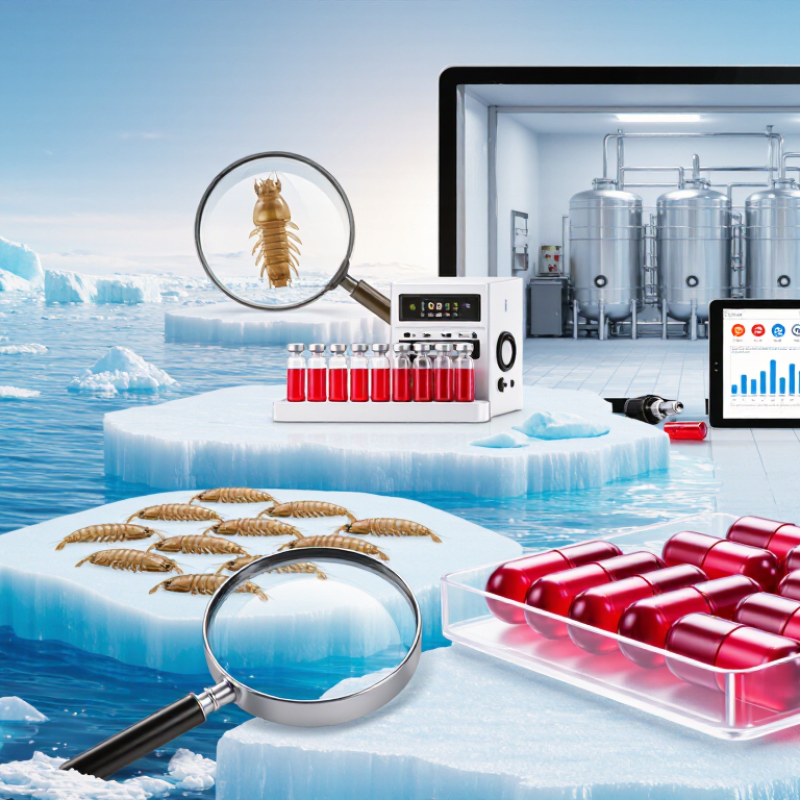
How to Choose Antarctic Krill Oil Suppliers?

Define Your Antarctic Krill Oil Sourcing Requirements

How to Choose Antarctic Krill Oil Suppliers?

Define Your Antarctic Krill Oil Sourcing Requirements

A reliable sourcing plan begins with a clear product specification. Define the krill species, harvesting region, season, and permitted fishing methods. State your required phospholipid level, omega-3 content, astaxanthin range, and acceptable odor. Details matter.

Set limits for oxidation indicators, heavy metals, microbiological quality, and other contaminants. Ask suppliers for recent batch testing from independent laboratories. Review certificates of analysis, traceability records, harvest documentation, and storage conditions. Do not rely on a single summary sheet.

Your packaging requirements deserve equal attention. Oxygen-resistant containers, controlled temperatures, and sealed transport can protect oil quality. Specify delivery volumes, minimum order quantities, lead times, and target markets before requesting quotations. Different markets may require different documentation and labeling controls.

In supplier assessments, I would compare sample results with the written specification, not with sales claims. A supplier should explain test methods and variation between batches. That sounds simple. It is not always easy.

It is tempting to select the lowest price. However, unusually low pricing may reflect weaker testing, older inventory, or incomplete traceability. I would record each supplier’s evidence, response speed, and corrective-action process. My own checklist would still need review after the first shipment, because real transport conditions can expose weaknesses that documents miss.

How to Choose Antarctic Krill Oil Suppliers?

Define your sourcing requirements by setting measurable specifications for phospholipids, EPA+DHA, astaxanthin, and product quality verification.

The ranges shown are typical reference values reported for Antarctic krill oil and may vary by harvest season, processing method, and analytical method. Request a batch-specific certificate of analysis, contaminant testing, oxidation results, traceability records, and sustainability documentation before approving a supplier.

Reference basis: published krill-oil composition ranges in peer-reviewed nutrition and lipid research; confirm all specifications using current laboratory results.

Assess Supplier Quality, Purity, and Sustainability Standards

Choosing Antarctic krill oil suppliers requires more than comparing capsule prices. Ask for recent, batch-specific certificates of analysis. They should show phospholipid, EPA, DHA, astaxanthin, oxidation values, and contaminant testing.

GOED’s Voluntary Monograph uses peroxide value below 5 meq/kg, anisidine value below 20, and TOTOX below 26 as quality benchmarks for omega-3 oils.

These figures are useful, but they do not replace independent laboratory verification.

Purity also depends on handling. Request harvest dates, storage temperatures, extraction methods, and sealed-chain records. A reliable supplier can connect the finished batch to its fishing location and processing lot. Test reports should identify the laboratory, method, and sample date.

Vague “heavy-metal tested” statements are weak evidence. Unfortunately, paperwork can look more impressive than the product. Check the details.

Sustainability needs equal attention.

The Commission for the Conservation of Antarctic Marine Living Resources lists a precautionary catch limit of 620,000 tonnes for krill in Statistical Subarea 48. That limit is not proof of responsible sourcing by itself. Review vessel monitoring, bycatch controls, ecosystem safeguards, and third-party certification against recognized fishery standards.

FAO’s State of World Fisheries and Aquaculture 2024 reported that only 62.3% of assessed marine stocks were biologically sustainable in 2021.

Therefore, suppliers should disclose current catch data, not only broad environmental promises. Supplier quality is measurable, but sustainability claims still deserve careful doubt.

Verify Certifications, Testing, and Regulatory Compliance

When choosing Antarctic krill oil suppliers, verify documents before discussing price or volume. Request current certifications, audit dates, certificate numbers, and issuing organizations. Useful systems may include GMP, HACCP, ISO 22000, and recognized sustainable fishery certifications. Confirm that each certificate covers the actual production site, not only an office address.

Testing should match the product’s risks. Ask for batch-specific certificates of analysis with lot numbers and sampling dates. Check results for heavy metals, pesticides, microbial counts, oxidation values, phospholipid content, and EPA and DHA levels. Astaxanthin testing can also help confirm product identity. The laboratory should use validated methods and maintain independent accreditation. A glossy report is not enough. Review the details.

Regulatory compliance depends on the selling country. Confirm permitted ingredients, labeling rules, dosage statements, allergen declarations, and required notifications. Request traceability records from Antarctic harvest areas through processing and storage. Temperature logs matter because marine oils can deteriorate during transport. I once assumed a recent certificate proved consistent quality, but it covered only one production lot. That was a useful correction. Ask how failed tests are handled, who approves release, and whether corrective actions are documented. Suppliers who answer clearly usually understand their responsibilities. Still, no audit is flawless. Keep independent checks for incoming batches, especially after a factory change or unusually long shipment.

Compare Production Capacity, Pricing, and Supply Reliability

Choosing Antarctic krill oil suppliers requires more than comparing the lowest quotation. Production capacity should be checked against documented harvest data. CCAMLR identifies a 620,000-tonne trigger level for the Antarctic krill fishery in Area 48, within a larger 5.6-million-tonne precautionary limit. These figures do not prove a supplier can deliver reliably. Ask for recent landing volumes, processing capacity, storage conditions, and batch-level traceability.

Pricing needs a like-for-like comparison. A cheaper kilogram may contain less phospholipid-bound omega-3 or lower EPA and DHA levels. Request results from independent laboratories, including oxidation values, heavy-metal screening, and contaminant testing. Also compare minimum order quantities, packaging, payment terms, freight, insurance, and delivery conditions. Small details matter.

Reliability is often harder to measure. Request a 12- to 24-month delivery record, not only a sales forecast. Check whether the supplier depends on one vessel, one port, or one seasonal processing window. A practical audit can include a retained sample, sealed cartons, temperature records, and a clear complaint procedure. FAO’s SOFIA 2024 report highlights continuing pressure on marine resources, so supply assumptions deserve careful review. A spreadsheet can still lie. I would also question unusually stable pricing, because fuel, quotas, weather, and freight costs can change quickly. Suppliers should explain those changes with evidence, not vague promises.

Evaluate Communication, Documentation, and Long-Term Support

When choosing Antarctic krill oil suppliers, communication deserves practical testing. Ask for a complete specification sheet, recent batch records, and answers from a named technical contact. Reliable suppliers should explain harvest areas, processing temperatures, storage conditions, and expected lead times. Vague replies create hidden costs.

Documentation must connect the raw material to the finished capsule or liquid. FAO’s State of World Fisheries and Aquaculture 2024 reported 185 million tonnes of aquatic animal production in 2022, with 89% used for direct human consumption. This scale makes traceability important, not decorative. Request catch documentation, chain-of-custody records, allergen statements, heavy-metal results, and oxidation testing. GOED technical guidance commonly references peroxide value below 5 meq/kg, anisidine value below 20, and TOTOX below 26 for quality control. These figures should be checked against the supplier’s testing method.

Long-term support is easier to judge through small trials. Request a pilot shipment, retain samples, and observe whether documents arrive on time. Ask how deviations are handled. Good support includes corrective-action reports, stability updates, and advance notice of specification changes. I have seen polished files but slow answers. That mismatch matters. A supplier may meet today’s numbers yet lack continuity during transport delays or seasonal pressure. Review performance quarterly, and keep questioning assumptions. Supplier selection is not a one-time inspection.

FAQS

Which documents should I request from an Antarctic krill oil supplier?

Request current certificates, audit dates, certificate numbers, and issuing organizations. Confirm they cover the actual production site. An office address is not enough.

What should a batch certificate of analysis include?

It should show the lot number, sampling date, laboratory, and tested results. Review heavy metals, pesticides, microbes, oxidation, phospholipids, EPA, and DHA. Check the details.

Why does laboratory accreditation matter?

Accredited laboratories usually follow validated testing methods. Their reports are easier to review and compare. A polished document proves very little alone.

What regulatory details should buyers confirm?

Check permitted ingredients, label wording, dosage statements, allergen declarations, and required notifications. Rules differ by selling country. Do not assume one market’s approval applies everywhere.

How can I verify product traceability?

Request records from Antarctic harvesting through processing, storage, and delivery. Review lot links and temperature logs. Marine oils can deteriorate in warm conditions.

How should I compare supplier prices?

Compare equal specifications, not only the price per kilogram. Check phospholipid content, EPA, DHA, oxidation, contaminants, packaging, freight, insurance, and payment terms. Cheap may mean weaker specifications.

How can I judge supply reliability?

Request delivery records covering 12 to 24 months. Ask about vessels, ports, seasonal processing, storage, and recent landing volumes. Forecasts are not delivery history.

What production information deserves special attention?

Compare claimed capacity with documented harvest and processing data. One fishery area has a 620,000-tonne trigger level and a 5.6-million-tonne precautionary limit. These figures do not guarantee supply.

What practical checks can improve incoming-batch control?

Keep retained samples, inspect sealed cartons, and review transport temperatures. Maintain a clear complaint procedure. Repeat checks after factory changes or long shipments.

What warning signs should make me cautious?

Be careful with vague answers, unusually stable prices, and missing corrective-action records. I once trusted a recent certificate too quickly. It covered only one lot.

Conclusion

Choosing the right Antarctic Krill Oil supplier begins with clearly defining your sourcing requirements, including product specifications, intended application, order volume, packaging, and delivery expectations. A reliable supplier should demonstrate strong quality control, high purity, responsible harvesting practices, and transparent sustainability standards. It is also important to verify relevant certifications, independent testing procedures, traceability records, and compliance with applicable food, health, and import regulations.

Buyers should compare production capacity, pricing, lead times, inventory availability, and the supplier’s ability to maintain consistent quality as demand changes. Clear communication and complete documentation, such as specifications, certificates of analysis, and shipment records, can reduce sourcing risks. Finally, evaluate the supplier’s responsiveness, technical support, and willingness to build a long-term partnership. A dependable Antarctic Krill Oil supplier should offer not only competitive terms, but also reliable service, transparent information, and consistent support throughout the cooperation.

Liam

Liam

Liam is a seasoned marketing professional with a deep expertise in our company's innovative product range. With a keen eye for industry trends and consumer behavior, he continually works to enhance our company’s online presence through insightful and engaging blog articles. His passion for......