Industry Insights & Articles
Technical guides, quality inspection standards, and regulatory trends in botanical extracts and nutraceuticals.

Plant Extract Application Guides
In-depth research on medicinal mushrooms, bioactive peptides, and custom dosage formulations.
Nutraceutical Ingredients Analysis
Expert perspectives on market demand, organic certifications, and bulk purchasing strategies.
10 Tips for Buying Dehydrated Onion Powder?
Table of Contents
- Understanding Dehydrated Onion Powder and Its Common Uses
- Checking Onion Variety, Processing Method, and Ingredient Purity
- Evaluating Color, Aroma, Texture, and Flavor Quality
- Comparing Packaging, Shelf Life, Storage Needs, and Price
- Choosing a Reliable Supplier and Verifying Product Standards
- FAQS
- Conclusion
- Related Posts
Buying Dehydrated Onion Powder may seem simple, but quality can vary widely between suppliers. Color, aroma, moisture, texture, and processing methods all affect the final result.
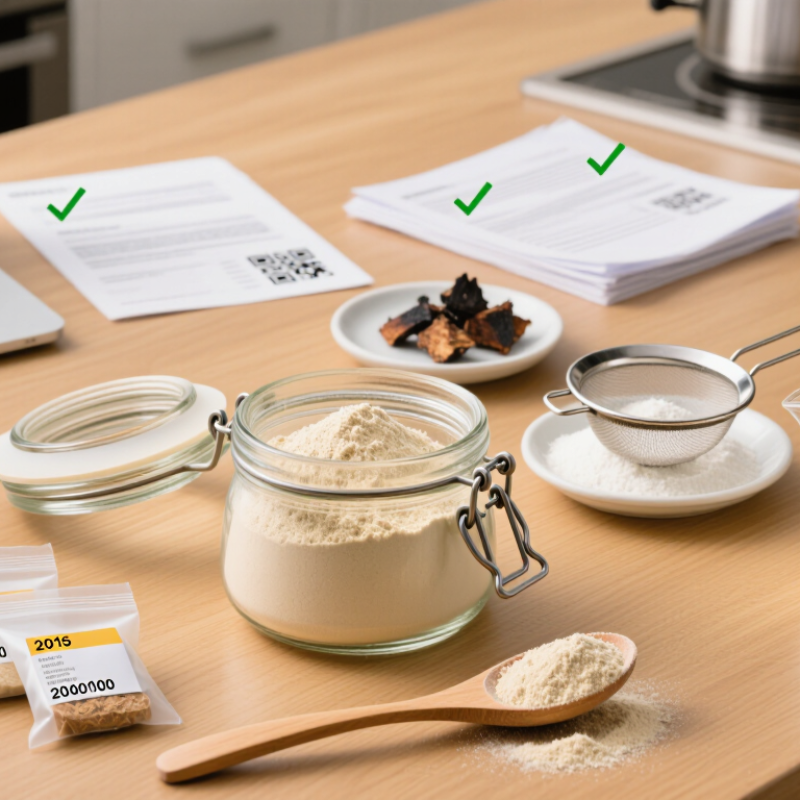
A reliable purchase begins with a clear purpose. Are you seasoning snacks, producing sauces, or preparing dry soup mixes? Each application may require a different mesh size, flavor strength, and moisture level. Check the ingredient statement carefully. Pure onion powder should not contain unnecessary fillers, undeclared additives, or artificial coloring. Ask for a current specification sheet and certificate of analysis. Microbiological results, allergen information, country of origin, and shelf-life details also deserve attention.
The package tells part of the story. Look for sealed, food-grade packaging with a readable lot number and production date. A strong onion aroma should be noticeable when the package opens, but it should not smell sour, burnt, or stale. The powder should flow easily, without damp clumps. Small tests matter.
Do not judge only by price. That mistake is easy. A cheaper product may have weaker flavor, inconsistent particle size, or higher moisture. Request a sample before placing a large order, then test it in your real recipe. Compare the cooked flavor, color, solubility, and storage behavior. Even experienced buyers can overlook one detail. Supplier communication matters, too. A dependable supplier answers specific questions, provides traceable documents, and explains quality controls clearly. These ten practical tips will help you choose Dehydrated Onion Powder with greater confidence and fewer costly surprises.
Understanding Dehydrated Onion Powder and Its Common Uses
Dehydrated onion powder is made by removing moisture from fresh onions, then grinding the dried pieces. It delivers concentrated onion flavor without peeling, chopping, or refrigeration. FAOSTAT reports global onion production above 100 million tonnes in recent years. That scale supports broad availability, but quality still varies between suppliers.
The powder works well in soups, sauces, gravies, marinades, snack seasonings, and sausage blends. It also adds savory depth to breading and vegetable dishes. USDA FoodData Central lists roughly 79 grams of carbohydrates and 15 grams of fiber per 100 grams. These figures describe a concentrated ingredient, not a typical serving. Check the ingredient list carefully. Pure powder should not need salt, starch, or artificial coloring.
Buying requires more than choosing the lowest price. Look for a clean onion aroma, even pale color, and fine texture without hard clumps. A practical mistake is judging quality by color alone. Bright powder can still taste flat. Ask about moisture limits, microbial testing, harvest origin, and a current certificate of analysis. Sealed, light-resistant packaging helps protect volatile flavor compounds. Smaller packs may be wiser for occasional kitchens. Once opened, humidity becomes the quiet enemy. Store the powder in a cool, dry cabinet, and use a clean, completely dry spoon.
Checking Onion Variety, Processing Method, and Ingredient Purity
10 Tips for Buying Dehydrated Onion Powder?
Onion variety changes the powder’s flavor, color, and pungency. Sweet onions usually create a softer profile, while yellow or red varieties taste sharper. Ask for the declared variety, not only “onion powder.” FAOSTAT reported global dry-onion and shallot production above 100 million tonnes in recent years. That scale shows broad supply, but it does not guarantee consistent flavor. Batch records matter more than impressive volume.
Check the processing method. Air-drying is common and cost-effective, but excessive heat can dull aroma and darken the powder. Freeze-drying may preserve more volatile flavor, although it often costs more. Request moisture results, sieve size, and microbiological testing. Powder should flow freely, without damp lumps or a toasted smell. I once found a sample that looked clean but tasted strangely sweet. The specification sheet had hidden an added carrier. Read the ingredient line carefully.
Ingredient purity should mean one clear ingredient: dehydrated onion. Watch for salt, starch, artificial color, anti-caking agents, or undeclared flavorings. USDA FoodData Central lists onion powder at about 341 calories per 100 grams, with substantial carbohydrate and fiber. A product with unusual nutrition values deserves questions. Compare the label with the laboratory certificate. Codex CXS 193-1995 provides international guidance for contaminants, but compliance documents still need verification. Packaging should block moisture and light. Small details matter.
10 Tips for Buying Dehydrated Onion Powder: Checking Onion Variety, Processing Method, and Ingredient Purity
Dehydrated onion powder is much more concentrated than raw onion because most of its water has been removed. The chart compares representative USDA FoodData Central values per 100 g for raw onion and dried onion. When purchasing, check the declared onion variety, drying method, moisture control, grind consistency, color, aroma, and ingredient list.
- Confirm whether the product is made from yellow, white, or red onion, since variety affects color, sweetness, and pungency.
- Look for a clear indication that the onion was dehydrated or dried rather than blended with a filler.
- Prefer a short ingredient list containing onion only when a pure product is required.
- Check the moisture specification and packaging seal to reduce caking and spoilage risk.
- Evaluate color and aroma; a strong toasted or burnt odor may indicate excessive heat exposure.
- Choose a particle size suitable for the intended use, such as seasoning, soup, sauce, or processed food.
- Check whether anti-caking agents, salt, sugar, or flavor enhancers have been added.
- Review allergen, microbiological, and foreign-material controls in the product documentation.
- Verify lot identification, production date, and storage instructions.
- Compare the nutritional declaration on the package with the product specification rather than relying only on appearance.
Data source: USDA FoodData Central representative entries for raw onion and dried onion, values shown in grams per 100 grams of food.
Evaluating Color, Aroma, Texture, and Flavor Quality
10 Tips for Buying Dehydrated Onion Powder: Evaluating Color, Aroma, Texture, and Flavor Quality
Tip 1: Check the color under natural light. A clean cream or pale ivory shade often suggests controlled drying. Dark brown patches may indicate overheating or oxidation. Tip 2: Read the moisture specification. The Codex General Standard for Dried Fruits and Vegetables identifies moisture control as a key quality factor. However, powder can still feel dry while absorbing humidity inside the package.
Tip 3: Open the bag and smell it immediately. Good onion powder should offer a sweet, sharp, freshly cut aroma. A cardboard, burnt, or sour note deserves caution. Tip 4: Rub a pinch between your fingers. Fine powder should feel even, not gritty. Tip 5: Look for clumps. Small soft lumps may break apart easily, but hard blocks suggest moisture exposure. Tip 6: Check the ingredient list. It should clearly identify dehydrated onion, with no unnecessary fillers. USDA FoodData Central reports about 79 grams of carbohydrate per 100 grams of dried onion, showing how concentrated the raw material becomes.
Tip 7: Taste a small amount after mixing it with warm water. Quality powder should develop rounded sweetness, mild sulfur, and gentle heat. It should not taste flat. Tip 8: Compare batches when possible. Color alone can mislead; cultivar and drying temperature both matter. Tip 9: Review the lot code and packaging date. Older powder may lose aroma even when it looks acceptable. Tip 10: Ask for laboratory data on moisture, microbiological testing, and foreign matter. I would not rely on appearance alone. That is where my own first impression has sometimes been wrong.
10 Tips for Buying Dehydrated Onion Powder? - Evaluating Color, Aroma, Texture, and Flavor Quality
| No. | Quality Dimension | What to Check | Preferred Indication | Warning Signs |
|---|---|---|---|---|
| 1 | Natural Color | Examine the powder under neutral white light. | Cream to pale yellow or light beige, depending on onion variety and processing. | Very dark brown, gray, greenish tones, or visibly uneven discoloration may indicate overheating, oxidation, or contamination. |
| 2 | Color Uniformity | Check whether the powder has a consistent color throughout the package. | Even color with no large dark particles or pale clumps. | Streaks, patches, or mixed colors can suggest inconsistent drying or foreign material. |
| 3 | Fresh Onion Aroma | Smell the powder immediately after opening and again after mixing with warm water. | Clean, characteristic onion aroma with a mild sulfur note. | Musty, sour, rancid, chemical, smoky, or burnt odors indicate possible quality deterioration. |
| 4 | Flavor Intensity | Taste a small, properly diluted sample or use it in a simple broth. | Noticeable onion flavor that is savory, slightly sweet, and appropriate for the intended recipe. | Flat, excessively bitter, burnt, sour, or unusually salty flavor may indicate poor processing or added ingredients. |
| 5 | Particle Size | Rub a small amount between clean, dry fingers or inspect it with a sieve. | Fine, relatively uniform powder suitable for even blending and dosing. | Large flakes, hard granules, or excessive dust can cause uneven dispersion and inconsistent flavor. |
| 6 | Flowability and Caking | Tilt the package and observe whether the powder moves freely. | Loose, free-flowing powder with only minor soft clumps that break apart easily. | Hard lumps or compacted sections may indicate moisture exposure or insufficient moisture control. |
| 7 | Moisture and Rehydration | Mix a measured amount with warm water and observe absorption. | Rehydrates evenly without floating oily particles or leaving excessive sediment. | Slow hydration, persistent hard particles, or a paste-like texture may reflect excess moisture or poor milling. |
| 8 | Ingredient Purity | Read the ingredient statement and confirm the product type. | A clearly declared onion-based ingredient with no undeclared fillers, artificial colors, or unnecessary additives. | Vague labeling, undisclosed anti-caking agents, or a flavor profile inconsistent with the label. |
| 9 | Packaging and Seal | Inspect the container, inner liner, closure, and seal for damage. | A moisture-resistant, intact package with a readable lot code and best-before date. | Torn bags, loose seals, swelling, moisture inside the package, or missing traceability information. |
| 10 | Testing and Consistency | Request a specification sheet or test sample and compare multiple batches when possible. | Consistent color, aroma, particle size, moisture control, and flavor across samples. | Large batch-to-batch differences, missing quality data, or results that do not match the product description. |
Comparing Packaging, Shelf Life, Storage Needs, and Price
Tip 1: Examine the packaging before comparing prices. Choose onion powder in a sealed, moisture-resistant pouch or container. Opaque material helps protect color and flavor from light. A tight resealable closure matters after opening. I once bought a cheaper package with a weak zipper, and clumps appeared quickly.
Tip 2: Check the production date, best-before date, and storage instructions. Shelf life describes expected quality, not an absolute guarantee. Onion powder may remain usable later, but its aroma can fade. For reliable cooking, buy an amount you can use within several months. Do not assume a longer printed date always means better value. Packaging quality and handling history also affect freshness.
Tip 3: Compare the price per usable ounce, not the package price. A large container may cost less initially but lose flavor before you finish it. Store the powder in a cool, dry cupboard away from steam, sunlight, and the stove. Use a clean, dry spoon each time. Refrigeration is usually unnecessary and may introduce condensation when the container warms. My own storage habits are not perfect, especially during busy cooking days. That is worth considering. A slightly smaller package with stronger protection may offer better value than a bargain pack that absorbs kitchen moisture. Check for unusual odors, hard lumps, or visible contamination before use.
Choosing a Reliable Supplier and Verifying Product Standards
Buying dehydrated onion powder starts with the supplier, not the lowest quote. Ask where the onions are grown, processed, and packed. A reliable supplier should provide a traceable lot number, production date, and clear storage instructions. Request a current certificate of analysis for the exact batch. Check moisture, particle size, color, and microbiological results. Do not accept a generic document.
Review the supplier’s food safety system and audit history. HACCP or an equivalent preventive program is useful, but a certificate alone proves little. Confirm that testing comes from a competent laboratory. Ask for allergen, additive, and irradiation declarations when relevant to your market. Verify that packaging is food-grade and sealed against humidity. A small sample can reveal more than polished sales language. Mix it in warm water and inspect aroma, sediment, clumping, and flavor. I once trusted a bright color too quickly; the powder later showed uneven hydration. That was a useful reminder.
Compare samples from different lots, not just one bag. Check whether the supplier can explain deviations and replace damaged goods under written terms. Confirm transport conditions, pallet protection, and shelf-life data. The label should match the specification exactly. Independent verification is worthwhile for large orders. Keep your own receiving records, including photographs and retained samples. Standards matter, but disciplined follow-up matters too. A dependable relationship is built through evidence, not promises.
FAQS
It is made from fresh onions with the moisture removed. The dried pieces are then ground into a fine powder.
Add it to soups, sauces, gravies, marinades, and vegetable dishes. It also gives breading a deeper savory flavor.
Look for an even pale color, fine texture, and a clean onion aroma. Color alone can mislead.
Pure onion powder should not need added salt, starch, or artificial coloring. A short ingredient list is easier to assess.
Compare the price per usable ounce, not only the package price. A large container may lose flavor before you finish it.
Choose a sealed, moisture-resistant pouch or container. Opaque material helps reduce light exposure, while a tight closure limits humidity.
Keep it in a cool, dry cabinet away from steam, sunlight, and the stove. Use a clean, completely dry spoon.
Usually, no. Refrigeration may create condensation when the container warms.
Check for fading aroma, unusual odors, hard clumps, or visible contamination. I have not always stored it perfectly, especially during busy cooking.
Ask about moisture limits, microbial testing, harvest origin, and a current certificate of analysis. These checks cannot replace your own judgment.
Conclusion
Buying Dehydrated Onion Powder requires more than choosing the lowest-priced option. First, understand how it will be used, whether for soups, sauces, seasoning blends, snacks, or food manufacturing. Check the onion variety, drying method, and ingredient list to confirm the powder is made from onions without unnecessary fillers or additives. Product quality can often be assessed through its natural color, fresh onion aroma, fine and consistent texture, and balanced savory flavor. Avoid products that appear excessively dull, clumpy, or unusually strong in smell.
Packaging and storage conditions also affect performance and value. Choose moisture-resistant packaging with clear production and expiration information, and consider shelf life, serving size, and storage requirements before comparing prices. A dependable supplier should provide transparent product specifications, quality documentation, batch information, and evidence of suitable food-handling standards. By evaluating both sensory characteristics and supplier reliability, buyers can select Dehydrated Onion Powder that delivers consistent flavor, convenient storage, and good long-term value.

Blog Tags: