Industry Insights & Articles
Technical guides, quality inspection standards, and regulatory trends in botanical extracts and nutraceuticals.

Plant Extract Application Guides
In-depth research on medicinal mushrooms, bioactive peptides, and custom dosage formulations.
Nutraceutical Ingredients Analysis
Expert perspectives on market demand, organic certifications, and bulk purchasing strategies.
Why Do Buyers Choose Taxifolin Dihydroquercetin?
Why Do Buyers Choose Taxifolin Dihydroquercetin? The answer often begins with a practical need: a recognizable flavonoid, reliable product specifications, and evidence buyers can review. Taxifolin Dihydroquercetin is a plant-derived compound found in sources such as Siberian larch. Buyers may evaluate it for antioxidant-related research or as an ingredient for product development, but its suitability depends on the intended use and supporting evidence. It is not a shortcut to a health outcome. That distinction matters.
Market growth provides useful context, though not proof of demand for this ingredient specifically. Grand View Research’s Dietary Supplements Market Size, Share & Trends Analysis Report estimated the global market at USD 177.5 billion in 2023 and projected a 9.1% compound annual growth rate from 2024 to 2030. Those figures describe a broad category, not taxifolin sales. Still, they help explain why ingredient buyers scrutinize sourcing, assay results, batch consistency, and documentation. A clear certificate of analysis, defined purity specifications, and traceable origin can make a supplier easier to assess. Buyers may also ask about solubility, stability, and formulation compatibility before committing to a purchase. Small details count. A polished brochure is not enough; independent testing and transparent methods matter more. Evidence quality varies, and commercial claims can sometimes outrun published research. That is worth questioning. A careful buyer compares the supplier’s data with the intended application, rather than assuming every product or claim is equivalent.
What Taxifolin Dihydroquercetin Is
Why Do Buyers Choose Taxifolin Dihydroquercetin?
What Taxifolin Dihydroquercetin Is
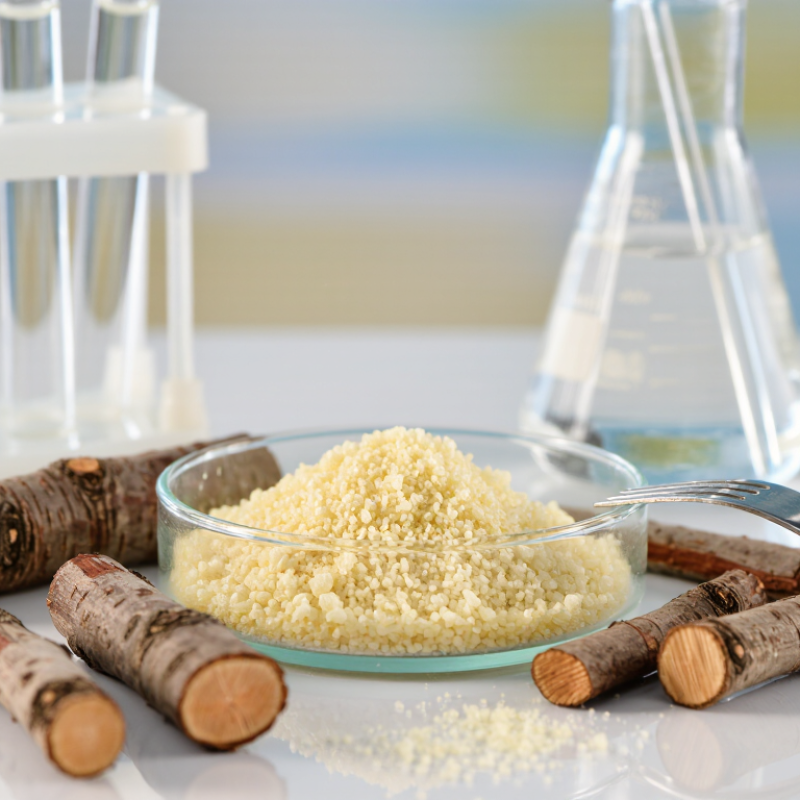
Taxifolin, also called dihydroquercetin, is a flavonoid found in several plants, including certain larch trees. It belongs to a broader family of compounds that plants produce naturally. As an ingredient, it is commonly supplied as a powder or included in capsules and other formulations. Taxifolin is related to quercetin, but the two are not identical molecules. That distinction matters when reading labels or comparing research. The terminology is not perfectly tidy; descriptions sometimes use the names loosely.
Buyers may choose taxifolin because they want a specific plant compound rather than a vague “antioxidant blend.” But the name alone says little about quality. Source material, testing methods, stated purity, and contaminant screening all matter. A careful buyer checks for batch-specific documentation, not just broad claims. Taxifolin is studied for its chemical and biological properties, but research findings do not establish that it prevents or treats disease. It is worth keeping that boundary clear. A little skepticism helps. Even a tidy label cannot replace evidence.
How Its Properties Shape Buyer Interest
Buyers often assess taxifolin dihydroquercetin through practical details, not its name alone. This plant flavonoid is valued for its antioxidant properties, but laboratory activity does not automatically prove a health benefit in people. Careful buyers look for clear identity testing, purity data, and methods that can be checked independently.
Small details matter. A fine powder may be easy to portion, yet its behavior in a blend depends on the other ingredients and processing conditions. Buyers therefore consider solubility, particle size, color, and batch consistency alongside the intended use. A specification sheet can look reassuring, but it cannot answer every handling question. That part takes real evaluation.
Reliable documentation helps reduce guesswork. Buyers may request a current certificate of analysis, contaminant testing, and traceable lot information. They also compare whether the supplier’s data match the material they will actually receive. Not every decision is tidy. Price can pull attention away from testing quality, while attractive antioxidant claims may sound stronger than the evidence supports. For that reason, cautious purchasing favors measurable properties and transparent records over broad promises.
Where Buyers Use Taxifolin Dihydroquercetin
Buyers use taxifolin dihydroquercetin in several kinds of formulations, depending on the ingredient’s grade and local requirements. Supplement makers may add it to capsules or powders, where clear specifications help guide dosage and batch consistency. Some food and beverage developers explore it for functional products. Here, practical details matter: dispersion, taste, processing conditions, and shelf stability all need testing. Not every formula behaves well.
Personal-care formulators may consider taxifolin for creams or serums, often alongside other antioxidant ingredients. They assess how it blends into the base and whether light, air, or storage changes its quality. A bench test can reveal more than a promising ingredient description. Small details count.
Research and product-development teams also use it in laboratory formulations when evaluating its properties or compatibility with other materials. Buyers typically review identity, purity, assay data, contaminant testing, and storage guidance before choosing a supply. Requirements vary by application and market, so suitability should be checked rather than assumed. That part can be messy. Ingredient claims also deserve careful review; formulation use alone does not establish a health benefit.
How Buyers Assess Quality and Sourcing
Buyers assessing taxifolin dihydroquercetin look beyond a high-purity claim. They check whether the material’s identity is confirmed using suitable analytical methods, such as chromatography. A batch-specific certificate of analysis should report assay results and relevant contaminant testing. Clear figures matter more than polished wording. If test methods or acceptance limits are missing, buyers have reason to ask questions.
Sourcing records help show where the ingredient came from and how it was handled. Buyers may ask about the plant source, extraction process, and steps used to control residues. They also review lot numbers, packaging, and storage guidance. A sealed, moisture-protective container and consistent documentation can reduce avoidable uncertainty. Still, a certificate is only as useful as its testing and traceability. That part can be difficult to judge from paperwork alone.
Tips: Compare documents from the same production lot, not just a general specification sheet. Ask who performed the testing and whether methods are disclosed. Check that the stated shelf life matches the storage conditions. If an answer feels incomplete, pause and verify it; purchasing decisions are not always tidy.
Why Buyers Assess Taxifolin (Dihydroquercetin) Identity and Sourcing
A useful starting point for supplier evaluation is confirming that the material matches taxifolin’s chemical identity. The chart shows the number of each type of atom in one taxifolin molecule (C₁₅H₁₂O₇).
For buyers: Molecular identity is only one part of quality assessment. Request a batch-specific certificate of analysis and review the assay method, test results, and relevant contaminant testing; specifications can vary by supplier and intended use.
What Buyers Consider Before Choosing a Supplier
Buyers choosing taxifolin dihydroquercetin should look beyond price and product descriptions. Start with identity, purity, and a batch-specific certificate of analysis. Ask which test methods support the stated values, and whether results come from a qualified laboratory. Details matter. A reliable supplier should explain raw-material origin, processing controls, and how each lot is traced. Clear answers are more useful than broad claims about quality.
Tips: Request a recent certificate and compare it with the product specification. Ask about testing for relevant contaminants, storage conditions, and shelf life. Check whether the supplier can provide a sample from the same production lot offered for purchase.
Consistency matters in real operations. Compare sample appearance and documentation across lots, and ask how the material is protected from heat, moisture, and light during storage and shipping. Packaging details can seem minor until a drum arrives damaged or exposed to unsuitable conditions. Also review communication: do staff answer technical questions directly, or avoid specifics? A polished document is not proof by itself, and even careful suppliers may have limits in available data. Buyers should identify those gaps before making a decision, rather than assuming every specification has been independently verified.
FAQS
It may be used in capsules, powders, some food products, creams, serums, and laboratory formulations. Use depends on grade and application.
Check dispersion, taste, processing conditions, and shelf stability. A small bench test can reveal problems. Not every formula behaves well.
Request a batch-specific certificate of analysis, product specifications, test methods, and storage guidance. General claims are not enough.
It should confirm identity and report assay results and relevant contaminant testing. Missing methods or limits deserve follow-up.
Ask about plant source, extraction process, residue controls, and lot records. Paperwork can help, but it may not answer everything.
Check whether containers protect the material from moisture, heat, and light. Confirm that shelf-life guidance matches the stated storage conditions.
Request a sample from the same lot being offered. Compare its appearance and documents with other lots. Small differences may need explanation.
No. Formulation use alone does not establish a health benefit. Review ingredient claims carefully, and note where supporting data is limited.
Conclusion
Taxifolin Dihydroquercetin is a naturally occurring plant compound that attracts buyers interested in ingredients with antioxidant properties and potential applications in food, supplements, and personal care products. Its versatility, compatibility with different product formats, and suitability for formulation research can shape buyer interest. However, the right choice depends on the intended use, product requirements, and the evidence available to support relevant claims.
When evaluating Taxifolin Dihydroquercetin, buyers may consider identity, purity, consistency between batches, testing documentation, packaging, and storage conditions. They also assess a supplier’s ability to communicate specifications clearly, provide reliable quality records, and meet practical needs such as order size, lead time, and ongoing availability. Comparing these factors helps buyers select a source that aligns with their formulation goals and quality expectations.

Blog Tags: