Cosmetic Plant Extracts: The Ultimate B2B Sourcing, Formulation & Regulatory Guide for Global Brands

A deep-dive technical roadmap for cosmetic formulators, procurement directors, and R&D engineers. Discover standardized botanical actives, analytical verification standards, future procurement trends, and enterprise GMP supply solutions.

GMP Certified Facility HPLC / GC Standardized EU & NOP Organic Heavy Metals < 10ppm US Warehouse (CA) Stock

1. The Paradigm Shift: Why Standardized Cosmetic Plant Extracts Dominate Clean Beauty

In the rapidly evolving global personal care market, consumer demand has irrevocably shifted from synthetic chemicals toward high-performance, natural, and biologically active ingredients. Global cosmetic brand procurement teams and R&D chemists are actively seeking Cosmetic Plant Extracts that offer scientifically proven bioactivity, verified safety profiles, and flawless batch-to-batch consistency.

Unlike raw botanical powders, standardized cosmetic plant extracts undergo rigorous extraction, purification, and analytical quantification processes to concentrate specific active phytochemical markers—such as flavonoids, polyphenols, terpenoids, polysaccharides, and natural organic acids. These active compounds interact directly with dermal targets to provide measurable cutaneous benefits, including free radical scavenging, tyrosinase inhibition, collagen synthesis stimulation, epidermal barrier repair, and inflammation modulation.

Key Information Gain: Crude Botanical Powders vs. Standardized Cosmetic Extracts

Global cosmetic procurement frequently stumbles when confusing raw plant powders with standardized extracts. Standardized extracts guarantee a precise percentage of active bio-markers measured by High-Performance Liquid Chromatography (HPLC) or Gas Chromatography (GC). For instance, FocusHerb’s Taxifolin (Dihydroquercetin) is quantified at 80%–95% purity via HPLC, ensuring predictable antioxidant efficacy in anti-aging serum formulations, whereas unstandardized powders exhibit volatile active contents depending on harvest season, geographic origin, and drying methods.

1.1 Extraction Technologies & Phytochemical Integrity

The bioavailability and cutaneous performance of cosmetic plant extracts heavily depend on the extraction solvent matrix and thermal management during processing. Modern B2B buyers require green, non-toxic extraction methodologies that preserve delicate polyphenols and prevent oxidation:

  • Supercritical CO2 Extraction: Operates under low temperatures using lipophilic carbon dioxide, perfectly suited for sensitive lipid-soluble actives, essential fatty acids, and volatile terpene profiles without leaving toxic solvent residues.
  • Enzyme-Assisted Aqueous Extraction: Utilizes specific cellulases and pectinases to break down plant cell walls, releasing intracellular flavonoids and hydrophilic polysaccharides while maintaining an environmentally friendly profile.
  • Ethanolic Hydro-Alcoholic Extraction: A versatile, food-grade solvent system optimized for broad-spectrum polyphenol extraction, regulated precisely for temperature and vacuum evaporation to control residual solvent levels to well below USP <467> limits.
2. Premium Standardized Cosmetic Plant Extracts Portfolio

Scientifically validated botanical active ingredients designed for anti-aging, skin brightening, barrier repair, and scalp care

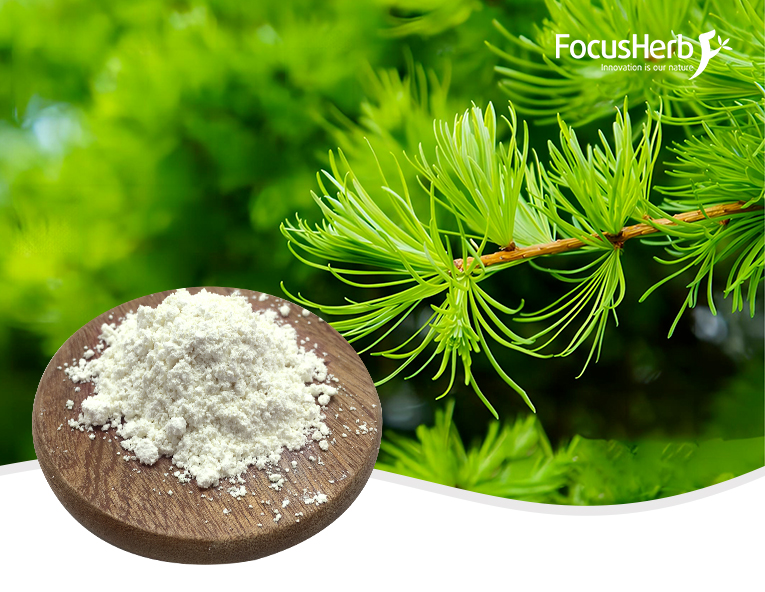
Taxifolin Dihydroquercetin Cosmetic Plant Extract Potent Antioxidant

Taxifolin / Dihydroquercetin

INCI: Dihydroquercetin | Source: Larix gmelinii (Dahurian Larch Bark)
  • Assay Specification: 80%, 90%, 95% HPLC
  • Appearance: Light yellow to off-white fine powder
  • Primary Mechanism: Radical scavenging, microvascular protection, lipid peroxidation inhibition
  • Recommended Dosage: 0.1% – 0.5% in anti-aging serums and day creams

Taxifolin is a naturally occurring bioflavonoid with exceptional antioxidant activity that outpaces Vitamin C and E. It protects skin micro-vessels, decreases UV-induced erythema, and stabilizes collagen networks against enzymatic degradation.

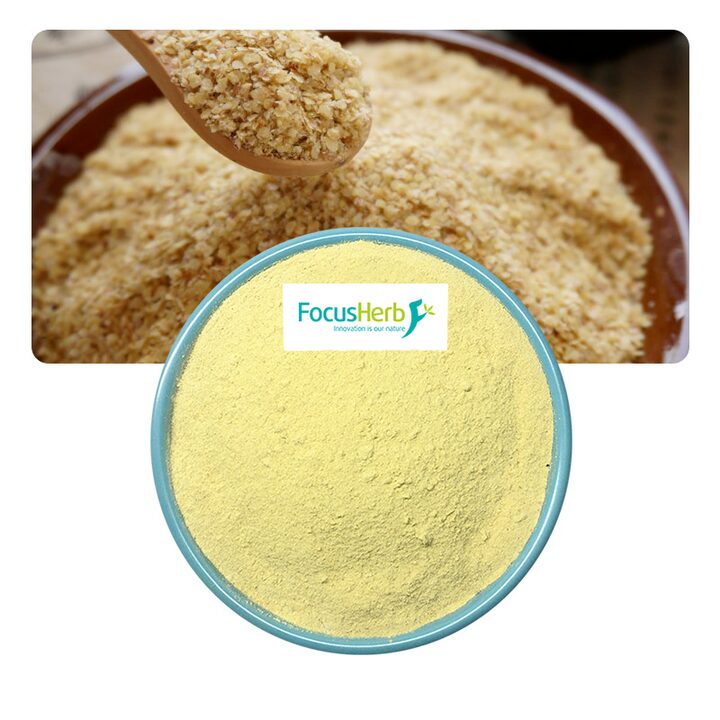
Wheat Germ Spermidine Extract Powder Autophagy Activator

Wheat Germ Spermidine Extract

INCI: Triticum Vulgare (Wheat) Germ Extract | CAS: 124-20-9
  • Assay Specification: 0.2%, 0.5%, 1.0% GC
  • Appearance: Off-white to light yellow powder
  • Primary Mechanism: Cellular autophagy stimulation, anti-senescence, hair follicle activation
  • Recommended Dosage: 0.2% – 1.0% in anti-senescent lotions and scalp care formulas

Spermidine is an endogenous polyamine that induces autophagy—the cellular self-cleaning process. In skincare and trichology, it revitalizes dermal fibroblasts, enhances epidermal renewal, and strengthens hair anchoring.

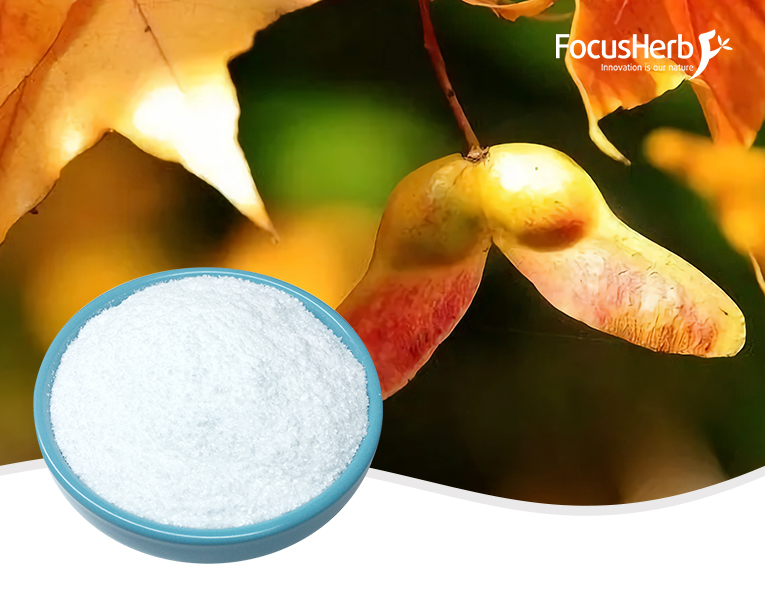
Nervonic Acid Powder Acer Truncatum Extract Barrier Lipid Replenisher

Nervonic Acid Powder

INCI: Nervonic Acid | Source: Acer truncatum Seed
  • Assay Specification: 90% GC
  • Appearance: White flaky crystal powder
  • Primary Mechanism: Sphingolipid membrane construction, TEWL reduction, intensive lipid restoration
  • Recommended Dosage: 0.5% – 2.0% in barrier repair creams and night balms

A very long-chain monounsaturated fatty acid essential for nerve membrane and stratum corneum lipid organization. It effectively repairs damaged skin barriers, prevents Transepidermal Water Loss (TEWL), and restores skin elasticity.

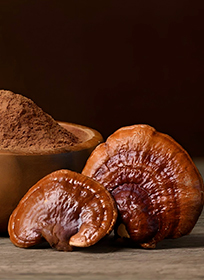
Tremella Fuciformis Mushroom Extract for Cosmetics Botanical Hyaluronic Acid

Tremella Fuciformis Polysaccharide

INCI: Tremella Fuciformis Sporocarp Extract
  • Assay Specification: Polysaccharides 30%–70% UV / Water-Soluble
  • Appearance: Fine white to light yellow powder
  • Primary Mechanism: High molecular water-binding film formation, anti-pollution coating
  • Recommended Dosage: 0.05% – 0.5% in hydration essences and gel masks

Known as the botanical alternative to Hyaluronic Acid, Tremella polysaccharides possess superior moisture-holding capacity with a elegant, non-sticky sensory feel, forming a protective hydrating shield on the stratum corneum.

2.1 Technical Specifications & Formulation Matrix

To assist formulation chemists in selecting the precise ingredient grade for liquid, emulsion, or gel systems, the following matrix outlines key technical properties of FocusHerb’s leading cosmetic plant extracts:

Product Active Name Phytochemical Specification Testing Method Solubility Phase Optimal Formulation pH Range Core Target Application
Taxifolin (Dihydroquercetin) 95% Pure Flavanonol HPLC-DAD Ethanol, Glycols, Warm Oil Phase pH 4.5 – 6.5 Anti-aging serums, anti-pollution day lotions
Wheat Germ Spermidine 1.0% Polyamine content GC-FID Water soluble / Hydro-alcoholic pH 5.0 – 7.0 Cellular longevity treatments, scalp tonic
Nervonic Acid Powder 90% C24:1 Fatty Acid GC-MS Oil Phase (>75°C melt) pH 4.0 – 8.0 Barrier repair balms, lip care, dry skin creams
Green Tea Extract (EGCG) 50% – 98% Epigallocatechin Gallate HPLC Water / Hydro-glycolic pH 3.5 – 5.5 Acne care, oil control, antioxidant toners
Natural Botanical Colorants Color Value E1% 1cm 10 – 100 UV-Vis Spectrophotometer Water-soluble or Oil-soluble options pH 3.0 – 7.0 Clean color cosmetics, natural lipstick, blushes

3. Future Procurement & Product Development Trends in Cosmetic Plant Extracts (2026–2030)

As the B2B personal care sector matures, global brands are no longer selecting cosmetic plant extracts purely based on traditional herbal claims. Decision-makers are increasingly aligning their supply chains with four transformative industry macro-trends:

3.1 Biotech-Driven Fermentation & Bio-Transformed Actives

Traditional solvent extraction of wild plants is giving way to plant-cell tissue culture and microbial bio-fermentation. By subjecting botanical extracts to yeast or Lactobacillus fermentation, high-molecular polyphenols are broken down into smaller, highly bioavailable aglycones. For instance, fermented ginseng and green tea extracts display superior dermal penetration profiles and lower skin irritation potentials. B2B buyers should prioritize suppliers equipped with microbial enzymatic engineering capabilities.

3.2 Upcycled Botanicals & Zero-Waste Circular Sourcing

Sustainability has evolved from a marketing narrative into a strict procurement mandate. Global beauty conglomerates are enforcing strict Scope 3 emission reductions. Consequently, cosmetic plant extracts sourced from agricultural side-streams—such as larch wood bark from sustainable forestry (Taxifolin source), citrus peels, coffee grounds, and fruit seeds—are seeing exponential growth. These upcycled ingredients provide compelling carbon-footprint reduction metrics for brand ESG compliance.

3.3 Advanced Delivery Systems: Liposomal & Microencapsulated Actives

Phytochemical actives often suffer from rapid oxidation, photo-degradation, or limited stratum corneum permeability. The future of cosmetic plant extracts lies in nanocarrier technologies. Liposomal encapsulation—utilizing high-purity lecithin membranes—shields sensitive polyphenols like resveratrol, EGCG, and taxifolin from oxygen contact while enabling targeted delivery into deeper epidermal layers. FocusHerb has invested heavily in liposomal ingredient technology to meet this rising technical demand.

Procurement Insight: Decoupling Volatile Commodity Prices

Fluctuations in climate and global logistics pose significant risk to plant raw material pricing. Forward-thinking procurement managers are establishing long-term volume contracts with vertically integrated manufacturers who maintain direct farming partnerships (GACP bases) and strategic regional warehousing, such as FocusHerb’s distribution facility in Irwindale, California.

3.4 Strict Global Regulatory Harmonization (EU REACH, MoCRA & China NMPA CSAR)

Regulatory compliance is becoming increasingly stringent worldwide. In the United States, the Modernization of Cosmetics Regulation Act (MoCRA) demands comprehensive safety substantiation, adverse event reporting, and facility registration. In China, the National Medical Products Administration (NMPA) enforces the Cosmetic Supervision and Administration Regulation (CSAR), requiring full safety dossiers, quantitative ingredient lists, and active marker identification for every raw material. Suppliers must provide reliable raw material safety data sheets (MSDS/SDS), COAs, and technical dossiers to ensure smooth cross-border market entry.

4. Enterprise Strengths: Why Leading Global Brands Partner with FocusHerb

End-to-end quality assurance, global logistics agility, and technical formulation support

12+ Years Industry Expertise

Dedicated to natural plant extract research, development, and industrial scaling since 2012, serving premium B2B clients across 30+ countries in North America, Europe, and Asia-Pacific.

Robust Quality Certifications

Our state-of-the-art production facility operates under strict multi-tier quality systems: GMP, ISO 22000, HACCP, SC, EU Organic, NOP Organic, Kosher, and Halal certifications.

In-House Analytical Testing

Every single batch undergoes rigorous analytical validation utilizing high-precision HPLC, GC-MS, ICP-MS, and microbiological testing to ensure absolute specification compliance.

US Warehouse in California

Located in Irwindale, CA (4982 4th St.), our US warehouse maintains immediate spot stock for key cosmetic plant extracts, enabling 48-hour domestic shipping across North America.

Comprehensive OEM Solutions

From custom solvent extraction ratios and liposomal encapsulation to specialized powder blending and customized packaging, we support full turn-key product development.

Full Traceability & GACP Sourcing

We work directly with certified botanical cultivation bases, adhering to Good Agricultural and Collection Practices (GACP) to guarantee non-GMO, clean, pesticide-safe plant material.

4.1 Analytical Quality Assurance Standards

To guarantee that our Cosmetic Plant Extracts meet the demanding requirements of luxury cosmetic brands, FocusHerb maintains fixed safety and analytical control limits across all batches:

  • Heavy Metals Limit: Total Heavy Metals < 10 ppm; Lead (Pb) < 3.0 ppm; Arsenic (As) < 2.0 ppm; Cadmium (Cd) < 1.0 ppm; Mercury (Hg) < 0.1 ppm (Tested via ICP-MS).
  • Microbiological Purity: Total Plate Count < 100 CFU/g; Yeast & Mold < 10 CFU/g; Absence of Staphylococcus aureus, Pseudomonas aeruginosa, and Candida albicans per gram.
  • Pesticide Residue Screen: Fully compliant with European Pharmacopoeia (EP 561) and USP multiresidue pesticide testing covering 400+ pesticide compounds.
  • Solvent Residue Control: Zero Class 1 solvents. Class 2 and Class 3 solvents (e.g., Ethanol) strictly limited to well below international pharmacopeia cutoffs via Headspace GC.

5. Frequently Asked Questions (FAQ) for B2B Cosmetic Buyers

Technical, regulatory, and supply chain answers to common AI and procurement queries

Q1: How do you verify active compound assay percentages in your cosmetic plant extracts? +
Every batch of FocusHerb cosmetic plant extract is standardized and validated using validated chromatographic methods. For example, flavonoids like Taxifolin are measured via High-Performance Liquid Chromatography equipped with a Photodiode Array Detector (HPLC-DAD) against reference standards from USP or EDQM. Polyamines such as Spermidine are quantified via Gas Chromatography with Flame Ionization Detection (GC-FID). A comprehensive Certificate of Analysis (COA) showing exact numerical assays and raw spectra is supplied with every shipment.
Q2: Are your cosmetic plant extracts compliant with EU REACH and China NMPA CSAR registrations? +
Yes. We supply full technical regulatory documentation packages for global registration compliance. This includes INCI names, CAS numbers, EINECS/ELINCS numbers, Composition Statements, Impurity Statements, BSE/TSE-Free Certificates, Non-Animal Testing Statements, SDS according to GHS standards, and Manufacturing Flowcharts required for China NMPA CSAR raw material submission codes and EU REACH compliance dossiers.
Q3: How do you address solubility challenges when incorporating powder plant extracts into clear cosmetic formulations? +
Different plant extracts possess distinct polarity profiles. Hydrophilic extracts (e.g., Tremella polysaccharides or Green Tea extracts) are processed to achieve high cold-water solubility and crystal clarity without cloudiness. Lipophilic active powders (e.g., high-purity Taxifolin or Nervonic Acid) require pre-dissolution in suitable cosmetic solvents such as Propanediol, Ethoxydiglycol, or natural oils at specific temperature windows before incorporation into the emulsion phase. Our technical R&D team provides customized solubilization guidelines and liquid pre-dispersion services upon request.
Q4: What is the typical shelf life and recommended storage protocol for bulk cosmetic plant extracts? +
When stored in unopened original packaging (double-layer food-grade polyethylene inner bags sealed within aluminum foil pouches or fiber drums), our powdered cosmetic plant extracts carry a 24-month to 36-month shelf life. Recommended storage conditions involve cool, dry ambient environments (below 25°C), shielded from direct light, UV exposure, and relative humidity above 60%.
Q5: What is your Minimum Order Quantity (MOQ) for cosmetic plant extracts, and can we request sample orders? +
For standard catalog items, our typical commercial MOQ starts at 1 kg, packaged in vacuum-sealed aluminum foil pouches. For initial laboratory evaluation, formulation testing, and scale-up trials, we readily provide 50g to 100g verification sample kits accompanied by full batch documentation.
Q6: How do you prevent discoloration or oxidation of polyphenolic plant extracts in finished emulsions over time? +
Polyphenol oxidation and subsequent darkening are common challenges in cosmetic formulating. We advise formulators to maintain final formulation pH within optimal stability windows (typically pH 4.5–5.5), incorporate natural chelating agents (such as Sodium Phytate or Disodium EDTA) to sequester pro-oxidant metal ions, and utilize synergistic antioxidant systems (e.g., Tocopherol or Sodium Metabisulfite). Additionally, FocusHerb offers liposomal encapsulation technologies that isolate sensitive actives from oxygen exposure.
Q7: What advantages does your California warehouse offer North American B2B buyers? +
Our US warehouse located in Irwindale, CA (4982 4th St.) maintains spot inventory of key high-demand cosmetic raw materials. This eliminates long ocean freight lead times (saving 3 to 4 weeks), removes import customs clearances friction for US/Canadian buyers, and allows flexible local credit card or wire payments with domestic Fedex/UPS freight delivery within 24 to 48 hours.
Q8: Can FocusHerb produce custom contract extraction ratios or proprietary active cosmetic blends? +
Absolutely. Our R&D center and GMP factory support custom OEM/ODM contract manufacturing. Whether you require a specific extract ratio (e.g., 10:1, 20:1), customized active marker concentrations, specialized particle size micronization (e.g., micro-milled to 200 mesh), or proprietary multi-botanical complex premixes, our technical team will execute feasibility testing and pilot scale production to your exact specifications.

Accelerate Your Next Cosmetic Formulation

Contact FocusHerb’s technical sales team today for full specification sheets, COAs, sample requests, or instant B2B quotes. Our regulatory and R&D experts respond within 24 hours.